Categories
Northfield News

How to Write Bylaws for a Charity Organization in Canada

Creating bylaws for your charity is one of the most important steps in establishing a legally compliant organization in Canada. Your bylaws serve as the foundation for how your charity operates, makes decisions, and governs itself.

Whether you’re starting a new charity or updating existing bylaws, this guide will walk you through everything you need to know. You’ll learn what bylaws are, what must be included, and how to write them correctly for Canada Revenue Agency (CRA) compliance.

Let’s get started with building strong governance documents for your charitable organization.

What Are Charity Bylaws in Canada?

Charity bylaws are the internal rules that govern how your organization operates day-to-day. Think of them as your charity’s operating manual that outlines everything from board structure to voting procedures.

Legal Definition and Purpose

Bylaws are legally binding rules that your charity must follow once they’re adopted. They work alongside your articles of incorporation to define your charity’s structure and operations.

Your bylaws tell everyone—from board members to donors to the CRA—how decisions get made in your organization. They establish clear procedures for governance, financial management, and organizational changes.

The CRA reviews your bylaws during the registration process to ensure your charity has proper governance structures in place. Without compliant bylaws, your application for charitable status may be delayed or denied.

When Are Bylaws Required?

You need bylaws if you’re incorporating your charity federally or provincially in Canada. Federal charities incorporated under the Canada Not-for-Profit Corporations Act (CNCA) must have bylaws.

Provincial requirements vary depending on where you incorporate. Ontario, British Columbia, and Alberta all have specific bylaw requirements for incorporated nonprofits and charities.

The CRA expects to see comprehensive bylaws when you apply for charitable registration. Even if your province doesn’t strictly require them, you’ll need them for CRA approval.

Essential Elements Every Charity Bylaw Must Include

Your bylaws need specific sections to meet legal and CRA requirements. Missing any of these elements could cause compliance issues down the road.

Organizational Structure

Your bylaws must clearly define your board of directors’ composition and responsibilities. Specify the minimum and maximum number of directors your charity will have.

Charitable organizations typically require at least three directors who aren’t related to each other. Private foundations may have related directors. You should outline the qualifications directors must meet and their terms of office.

Define officer positions, including President, Vice-President, Treasurer, and Secretary. Describe each officer’s duties and how they’re elected or appointed.

Key elements to include:

  • Minimum/maximum board size (typically 3-15 directors)
  • Director qualifications and eligibility
  • Length of terms (commonly 1-3 years)
  • Election or appointment procedures
  • Removal and resignation processes
  • Officer roles and responsibilities

Membership Provisions (If Applicable)

If your charity has members, your bylaws must outline the membership structure. Define different membership categories if you have them.

Specify who’s eligible to become a member and how someone joins. Include membership fees, if any, and when they’re due.

Detail voting rights for each membership class. Some charities have voting members and non-voting members.

You don’t need members to operate a charity in Canada. Many charities operate with just a board of directors and no formal membership structure.

Meeting Requirements

Your bylaws must establish clear rules for meetings. Start with annual general meetings (AGMs) and how often you’ll hold them.

Specify how many board meetings you’ll have each year. Most charities hold board meetings quarterly at minimum.

Define what constitutes quorum—the minimum number of people needed for a valid meeting. Common quorum requirements are 50% of board members or a specific number like “at least 3 directors.”

Include notice requirements for meetings. You need to specify how far in advance you’ll notify people and what methods you’ll use (email, mail, phone).

Meeting essentials:

  • AGM frequency (usually annual)
  • Board meeting schedule
  • Special meeting procedures
  • Quorum requirements
  • Notice periods (typically 10-30 days)
  • Voting procedures and thresholds
  • Minutes and record-keeping

Financial Management and Accountability

Your bylaws should define your fiscal year. Most charities use January 1 to December 31, but you can choose any 12-month period.

Establish signing authority for financial transactions. Specify who can sign cheques and approve expenses.

Require annual financial statements and audits if applicable. Charities with revenue over $250,000 typically need audited statements.

Include provisions for banking, investments, and borrowing powers. The CRA wants to see that you have proper financial controls.

Amendment Procedures

Your bylaws must explain how to amend them. Include the voting threshold required—typically two-thirds or 75% of board members.

Specify whether members (if you have them) must also approve amendments. Some changes may require both board and member approval.

Note that certain amendments must be reported to the CRA. Changes affecting your charitable purposes or dissolution clause need CRA notification.

Dissolution Clause

Every charity bylaw must include a dissolution clause. This explains what happens to your assets if your charity winds up operations.

The CRA requires that remaining assets go to qualified donees only. You can’t distribute assets to members, directors, or private individuals.

Your dissolution clause should list the types of qualified donees that could receive assets. These include other registered charities, municipalities, and certain government bodies.

This is a non-negotiable requirement for charitable registration in Canada.

Step-by-Step Guide to Writing Charity Bylaws

Writing bylaws doesn’t have to be overwhelming. Follow these steps to create compliant, effective bylaws for your charity.

Step 1: Research Your Jurisdiction’s Requirements

Start by determining which laws apply to your charity. Federal charities follow the Canada Not-for-Profit Corporations Act (CNCA).

If you’re incorporating provincially, check your province’s nonprofit legislation. Ontario uses the Ontario Not-for-Profit Corporations Act, while BC uses the BC Societies Act.

Review CRA guidance documents on charitable registration. The CRA website has resources explaining what they expect to see in bylaws.

Bylaw Requirements Comparison Chart

ElementFederal (CNCA)OntarioBritish ColumbiaCRA Requirement
Minimum Directors3333 (unrelated for charitable organizations; may be related for foundations)
Dissolution ClauseRequiredRequiredRequiredMust name qualified donees
AGM FrequencyAnnualAnnualAnnualNot specified
Financial YearMust specifyMust specifyMust specifyMust specify
Amendment Vote2/3 or as specifiedSpecial resolution3/4 or as specifiedMust notify for purpose changes
Audit RequirementsBased on revenueBased on revenueBased on revenueOver $250K typically
MembersOptionalOptionalVariesOptional

Don’t skip this research step. Requirements vary significantly between federal and provincial incorporation.

Step 2: Define Your Governance Structure

Decide how many board members you’ll have. Consider your charity’s size and the expertise you need.

Determine whether you’ll have members or operate as a board-only charity. Each model has advantages depending on your organization’s needs.

Plan your officer structure. At minimum, you’ll need a President/Chair and a Treasurer.

Think about term limits for directors. Staggered terms help ensure board continuity while allowing for fresh perspectives.

Step 3: Draft Core Bylaw Sections

Begin writing your bylaws section by section. Start with definitions to clarify key terms you’ll use throughout.

Draft your governance sections next—board composition, meetings, and decision-making procedures. Be specific about quorum, voting thresholds, and notice requirements.

Write your financial management provisions. Include fiscal year, signing authority, and financial reporting requirements.

Add your membership provisions if applicable. Keep language clear and avoid overly complex membership structures.

Standard bylaw article structure:

  1. Definitions and Interpretation
  2. Membership (if applicable)
  3. Board of Directors
  4. Officers
  5. Meetings
  6. Financial Management
  7. Committees
  8. Amendments
  9. Dissolution

Step 4: Ensure CRA Compliance

Review your bylaws against CRA requirements. Your charitable purposes must align with the four recognized charitable categories in Canada.

Include restrictions on political activities. Charities can engage in limited political activities (10% of resources) but this must be clearly stated.

Add provisions prohibiting private benefit. No one can personally profit from your charity’s activities or assets.

Ensure your dissolution clause meets CRA standards. Assets must go to qualified donees only—no exceptions.

Step 5: Review and Legal Compliance Check

Have your founding board review the draft bylaws. Make sure everyone understands and agrees with the governance structure.

Consider hiring a charity lawyer for review. Legal expertise can catch issues that might cause CRA registration problems.

Check for conflicts between your bylaws and articles of incorporation. These documents must align completely.

Common mistakes lawyers catch:

  • Conflicting quorum requirements
  • Missing CRA-required clauses
  • Vague amendment procedures
  • Inadequate financial controls
  • Improper dissolution language

Step 6: Approve and Adopt Your Bylaws

Hold a board meeting to formally adopt your bylaws. Pass a board resolution approving them.

Have all directors sign the bylaws or the resolution adopting them. This creates a clear record of approval.

File your bylaws with the appropriate government office. Federal charities file with Corporations Canada; provincial charities file with their provincial registry.

Keep the original signed bylaws in your minute book. You’ll need to provide them to the CRA during registration.

Common Mistakes to Avoid When Writing Charity Bylaws

Many charities make preventable errors when drafting bylaws. Learning from these mistakes can save you time and headaches.

Copying templates without customization is the most common error. Generic templates often don’t fit your charity’s specific needs or meet your jurisdiction’s requirements.

Conflicting with articles of incorporation creates legal problems. Your bylaws can’t contradict what’s in your articles.

Insufficient quorum requirements can paralyze decision-making. Setting quorum too high means you might struggle to hold valid meetings.

Unclear amendment procedures make it difficult to update bylaws when needed. Be specific about voting thresholds and approval processes.

Missing CRA-required provisions will delay your charitable registration. The dissolution clause is the most commonly forgotten requirement.

Overly restrictive language can box you in unnecessarily. Leave room for operational flexibility where appropriate.

Vague provisions create confusion about procedures. Be specific about timelines, voting thresholds, and responsibilities.

CRA-Specific Requirements for Charity Bylaws

The CRA has non-negotiable requirements for charity bylaws. Meeting these requirements is essential for registration approval.

Charitable Purposes Statement

Your bylaws must include or reference your charitable purposes. These purposes must fit within one of Canada’s four recognized charitable categories: relief of poverty, advancement of education, advancement of religion, or other purposes beneficial to the community.

The CRA scrutinizes purpose statements carefully. Vague language like “helping people” isn’t sufficient.

Be specific about who you serve and how. For example: “To relieve poverty by providing emergency food assistance to low-income families in Toronto.”

Your purposes in your bylaws must match your articles of incorporation exactly. Any discrepancy will cause registration delays.

Restrictions on Activities

Your bylaws must include specific restrictions that charities must follow. State clearly that your charity operates exclusively for charitable purposes.

Include language prohibiting private benefit to members, directors, or others. No one can personally profit from your charity’s work.

Add restrictions on political activities. Charities can devote up to 10% of resources to non-partisan political activities, but this must be clearly limited.

Specify that your charity won’t operate a business unrelated to your charitable purposes. Related businesses are allowed, but must be clearly connected to your mission.

Wind-Up Provisions

Your dissolution clause must meet CRA standards exactly. Upon wind-up, remaining assets must go to qualified donees only.

Specify that no assets will be distributed to members, directors, or private individuals. This must be explicitly stated.

You can name specific charities to receive assets, or use general language about qualified donees. Many charities list “other registered charities with similar purposes” as beneficiaries.

The CRA will reject your application if this clause is missing or improperly worded. Don’t take shortcuts here.

Bylaws Templates vs. Custom Bylaws: Which Is Right for Your Charity?

Deciding between template bylaws and custom-drafted bylaws depends on your charity’s complexity and needs.

When Templates Work

Templates can work well for simple charities with straightforward structures. If you’re forming a small community charity with a basic board structure, templates provide a good starting point.

Standard charitable purposes like running a food bank or community centre fit well with template language. You’re not breaking new ground with your mission.

Templates save money on legal fees for charities with tight budgets. Many government websites and nonprofit organizations offer free bylaw templates.

Looking for template guidance? Check out our sample charity bylaws to see examples that meet CRA and legal requirements. These samples help you understand proper bylaw structure before you start drafting.

Good candidates for templates:

  • Small local charities
  • Standard charitable purposes
  • Simple board-only governance
  • Limited programs or services
  • Straightforward funding sources

When Custom Bylaws Are Necessary

Complex organizations need custom bylaws. If you have multiple service areas, chapters, or affiliate organizations, templates won’t cover your needs.

Unique charitable purposes require careful legal drafting. Innovative programs or new approaches to charitable work need precisely worded purposes.

Large charities or those expecting significant growth should invest in custom bylaws. Good governance documents scale with your organization.

If you have members, complicated voting structures, or multiple stakeholder groups, templates will be insufficient. Custom drafting ensures all relationships are properly defined.

Situations requiring custom bylaws:

  • Multi-chapter or affiliate structures
  • Complex membership models
  • Unique or innovative programs
  • Significant property or investments
  • Multiple funding sources with restrictions
  • Plans for rapid growth or expansion

Maintaining and Updating Your Charity Bylaws

Your bylaws aren’t a “set it and forget it” document. Regular review and updates keep your charity compliant and effective.

Regular Review Schedule

Review your bylaws annually as part of good governance practice. Check that they still reflect how your charity actually operates.

Legislative changes may require bylaw updates. The CNCA, for example, has been updated several times since 2011.

Review bylaws whenever you make significant organizational changes. Adding new programs, expanding service areas, or changing your board structure may require amendments.

Create a governance committee responsible for bylaw review. This ensures someone is actively monitoring compliance.

Amendment Process

Follow your bylaws’ own amendment procedures exactly. If your bylaws require a two-thirds vote, you need that exact threshold.

Document all amendments properly with board resolutions. Keep copies in your minute book.

File amendments with the appropriate government office. Federal charities file with Corporations Canada within required timelines.

Notify the CRA of certain amendments. Changes to your purposes, activities, or dissolution clause must be reported.

Amendment best practices:

  • Review full bylaws before making changes
  • Ensure consistency throughout document
  • Update table of contents and section numbers
  • Keep version history
  • Distribute updated bylaws to all directors
  • Update any online copies

Conclusion

Writing bylaws for your charity organization in Canada requires careful attention to legal requirements and CRA standards. Your bylaws form the foundation of good governance and help ensure long-term compliance.

Start by researching your jurisdiction’s requirements and understanding CRA expectations. Include all essential elements like governance structure, meeting procedures, financial management, and a proper dissolution clause.

Whether you use a template or draft custom bylaws, make sure they fit your charity’s specific needs and operations. Don’t copy generic bylaws without careful review and customization.

Review and update your bylaws regularly to keep pace with legislative changes and organizational growth. Good bylaws evolve with your charity.

Need help drafting or reviewing your charity’s bylaws? 

Northfield & Associates specializes in helping Canadian charities establish compliant governance documents. Our team provides expert guidance on creating bylaws that meet CRA requirements and support your charitable mission.

Contact us today to discuss your charity’s specific needs:

📞 Phone: 416-317-6806

📧 Email: info@northfield.biz

🌐 Website: www.northfield.biz

Ready to get started? Schedule a FREE consultation and let’s ensure your charity has the strong governance foundation it needs to succeed.

Frequently Asked Questions

How long should charity bylaws be?

Most charity bylaws are 10-25 pages long. The length depends on your organizational complexity and governance structure.

Simple charities might have bylaws of 10-12 pages. More complex organizations with members, multiple chapters, or sophisticated governance can have bylaws of 30+ pages.

Focus on being thorough rather than brief. Missing important provisions causes more problems than slightly longer bylaws.

Do bylaws need to be filed with the CRA?

Yes, you must submit your bylaws when applying for charitable registration. The CRA reviews them as part of the application process.

You don’t file amendments with the CRA unless they affect your purposes, activities, or dissolution clause. Other amendments are filed with your incorporating jurisdiction but not necessarily with CRA.

Keep your bylaws current and available for CRA review during audits or compliance checks.

Can we amend our bylaws after incorporation?

Absolutely. In fact, you should expect to amend bylaws over time as your charity grows and evolves.

Follow the amendment procedures in your current bylaws. This usually requires a board resolution passed by the specified majority.

File amendments with your incorporating body within their required timelines. Federal charities have specific deadlines for filing changes.

What’s the difference between bylaws and policies?

Bylaws are your charity’s governing rules that require formal adoption and filing with the government. They’re harder to change and legally binding.

Policies are operational guidelines your board adopts for day-to-day management. They’re easier to update and don’t require government filing.

Think of bylaws as constitutional law and policies as operational procedures. Both are important but serve different purposes.

Do all board members need to approve bylaws?

Not necessarily all, but most. Check your current bylaws or articles for the required voting threshold.

Common requirements are majority approval (50% + 1) or special majority (two-thirds or 75%). Initial bylaw adoption might require unanimous approval.

If you’re adopting first-time bylaws, all founding directors typically must approve them. This creates a strong foundation for governance.


Legal Sources & References

Categories
Northfield News

New guidelines on off-campus work policy for international students 

FOR IMMEDIATE RELEASE

Canada issues new guidelines on off-campus work policy for international students to ensure their welfare as they are a crucial part of the Canadian economy and society. This new guideline is issued to improve the integrity of the student program.

Temporary off-campus work measures will not be renewed

Marc Miller, the Immigration Minister on April 29, 2024, announced the new guidelines on off-campus work policy for international students. The temporary work policy that allowed students to work more than 20 hours per week off campus will not be extended after April 30, 2024. This comes as a surprise to many as Canada was considering a 30-hour-per-week off-campus work policy for international students.

International Students on their scheduled academic break will be allowed to work an unlimited number of hours, however, those attending summer classes must comply with the 20-hours-per-week rule.

Balancing Work and Studies

The decision to limit off-campus work hours is supported by research showing that working too many hours while studying can hinder the academic performance of students. 

Marc Miller, the Immigration Minister stated “As international students arrive in Canada; we want them to be prepared for life here and have the support they need to succeed. However, first and foremost, people coming to Canada as students must be here to study, not work. We will continue working to protect the integrity of our student program.”

Starting this fall international students will be allowed to work up to 24 hours per week while their classes are in session. which would likely be sufficient combined with the increased cost of living requirement for international students announced back in December 2023 (a single study permit applicant must show additional funds of CAD $20,635 along with their tuition fees).

Other Developments

IRCC will also continue to develop the new Recognized Institution Framework to recognize post-secondary institutions that demonstrate excellence in the selection, support, and retention of international students.

Want to Study in Canada?

If you are looking to study in Canada and learn about the new guidelines, Northfield & Associates can provide you with expert guidance and assistance. Our team of experts can help you navigate through the process successfully.

Disclaimer: The information contained in this article is provided for general information purposes only and does not constitute legal or other professional advice. Readers should seek tailored legal advice in relation to their personal circumstances.

We serve our clients in English, Cambodian, Vietnamese, Mandarin and Cantonese, especially in Asian clients.

  • If you or anybody that you know, think that you meet the requirements and wish to receive further information.
  • We can help you start the application process and confirm eligibility requirements to participate.
  • We Offer Consultations & Meetings by Phone & Virtually. Affordable Fees.

Book a Consultation Today

Contact Northfield & Associates today to schedule a consultation with an experienced Consultant.

Book a call with a Consultation

Join the community of Northfield & Associates

Connect with peers and community ambassadors to hear real experiences, tips, and advice about studying abroad.

Explore Northfield & Associates community

About Northfield

Northfield & Associates International Corporation is a global strategic advisory and consulting firm partnering with private equity, sovereign, and institutional investors to deploy capital, manage regulatory, supporting senior leadership, boards, and capital providers across Cambodia, Canada, and international markets operating in complex regulatory, economic, and geopolitical environments, and drive enterprise value creation across complex global markets.

We advise boards, executives, entrepreneurs, and public-sector decision-makers on business strategy, institutional transformation, and high-stakes market challenges requiring disciplined judgment, capital efficiency, and execution certainty. Our work is concentrated across priority global sectors, including agribusiness, aviation and automotive, energy and natural resources, financial services, healthcare, infrastructure, real estate, immigration, education, and information technology.

Our platform integrates sector-specific intelligence with multidisciplinary advisory capabilities. Clients benefit from coordinated access to consulting, legal and regulatory counsel, financial management, risk assessment, real estate advisory, immigration, education, and technology expertise. This integrated model supports informed capital allocation, regulatory-compliant investment structuring, and execution-ready strategies designed to optimise returns, preserve downside protection, and enhance risk-adjusted performance.

Northfield combines consulting rigor with legal and regulatory judgment to support capital markets-aligned decision-making in complex, regulated, and rapidly evolving environments. We partner with private enterprises, institutional investors, family offices, and public-sector entities to structure, deploy, and manage capital effectively; strengthen governance; mitigate regulatory and geopolitical risk; and drive sustainable enterprise value creation.

Our engagements span strategy formulation, operational optimisation, organisational design, and change execution. We deliver measurable outcomes that improve financial performance, support disciplined growth, enhance valuation, and generate durable returns on investment for investors, shareholders, and institutional stakeholders. We operate with independence, precision, and accountability, aligned with long-term value creation and fiduciary standards.

Forward-Looking Information

This news release contains forward-looking information. All statements, other than statements of historic fact, that address activities, events or developments that the Company believes, expects or anticipates will or may occur in the future constitute forward-looking information.

This forward-looking information reflects the current expectations or beliefs of the Company based on information currently available to the Company.

Forward-looking information is subject to a number of risks and uncertainties that may cause the actual results of the Company to differ materially from those discussed in the forward-looking information, and even if such actual results are realized or substantially realized, there can be no assurance that they will have the expected consequences to, or effects on the Company. Factors that could cause actual results or events to differ materially from current expectations include, among other things: the failure to finalize negotiations concerning the increase of the Loan or to close such transaction and the failure of the Company to complete the acquisition of the Company Facility; operating performance of facilities; environmental and safety risks; delays in obtaining or failure to obtain necessary permits and approvals from government authorities; unavailability of plant, equipment or labour; inability to retain key management and personnel; changes to regulations or policies affecting the Company’s activities; and the other risks disclosed under the heading “Risk Factors” and elsewhere in the Company’s amended annual information.

Forward-looking information speaks only as of the date on which it is made and, except as may be required by applicable securities laws, the Company disclaims any intent or obligation to update any forward-looking information, whether as a result of new information, future events or results or otherwise. Although the Company believes that the assumptions inherent in the forward-looking information are reasonable, forward-looking information is not a guarantee of future performance and accordingly undue reliance should not be put on such information due to the inherent uncertainty therein.

Questions?

info@northfied.biz

Within Corporate Newsroom  

Media Contact:

media@northfied.biz

Press contact

PR consultants
press@northfied.biz

NOT LEGAL ADVICE. Information made available on this website in any form is for information purposes only. It is not, and should not be taken as, legal advice. You should not rely on, or take or fail to take any action based upon this information. Never disregard professional legal advice or delay in seeking legal advice because of something you have read on this website. Northfield & Associates professionals will be pleased to discuss resolutions to specific legal concerns you may have.

Categories
Northfield News

Understanding the Similarities and Differences Between Common-Law Relationships and Marriages

FOR IMMEDIATE RELEASE

Many couples seek advice on whether marriage or remaining in a common-law relationship is the right step for their future. When making this decision, there are numerous factors to consider, and it is important to understand the similarities and differences between these relationship statuses.

The benefits of saying, “I do” to a marriage are similar to those of common-law relationships including making health care decisions, welfare benefits, disability benefits, income taxes and custody related issues.

Other main similarities between the two-relationship statuses are how child support and spousal support is awarded should the relationship break down. In both instances, the amount of support is similar. The main difference being between a marriage and common-law relationship is which Act will guide the amount of support to be awarded: the Divorce Act and Federal Child Support guidelines or the Family Law Act and the Ontario Child Support guidelines.

The primary difference between marriage and common law relationships is how property and estates are handled.

Married couples are guided under the Divorce Act and the Family Law Act which outlines the division of property and assets between the couple from the date of marriage to the date of separation. The calculation of the division of assets ensures each party will have equal benefit from the marriage. Married couples also have equal right to possession of assets in the matrimonial home unless a marriage contract stipulates differently.

However, for common-law relationships, all division of property is governed by ownership rights only. Should a common-law relationship break down, the party must make a trust argument to the court to make a claim for property. Unfortunately, these instances can be very lengthy and expensive for the parties involved.

In terms of estates, married spouses have a right to the estate of their spouse should they pass away without a will. This is not the case for common-law partners. The rights of a common-law partner must be outlined within a valid Last Will and Testament as they will not be entitled to the estate without one.

Determining whether you should get married or remain in a common-law relationship requires much consideration. If you are in a relationship and require legal advice regarding a common-law relationship or marriage, contact Northfield & Associates to book a consultation.

Disclaimer: The information contained in this article is provided for general information purposes only and does not constitute legal or other professional advice. Readers should seek tailored legal advice in relation to their personal circumstances.

We serve our clients in English, Cambodian, Vietnamese, Mandarin and Cantonese, especially in Asian clients.

  • If you or anybody that you know, think that you meet the requirements and wish to receive further information.
  • We can help you start the application process and confirm eligibility requirements to participate.
  • We Offer Consultations & Meetings by Phone & Virtually. Affordable Fees.

Book a Consultation Today

Contact Northfield & Associates today to schedule a consultation with an experienced Consultant.

Book a call with a Consultation

Join the community of Northfield & Associates

Connect with peers and community ambassadors to hear real experiences, tips, and advice about studying abroad.

Explore Northfield & Associates community

About Northfield

Northfield & Associates International Corporation is a global strategic advisory and consulting firm partnering with private equity, sovereign, and institutional investors to deploy capital, manage regulatory, supporting senior leadership, boards, and capital providers across Cambodia, Canada, and international markets operating in complex regulatory, economic, and geopolitical environments, and drive enterprise value creation across complex global markets.

We advise boards, executives, entrepreneurs, and public-sector decision-makers on business strategy, institutional transformation, and high-stakes market challenges requiring disciplined judgment, capital efficiency, and execution certainty. Our work is concentrated across priority global sectors, including agribusiness, aviation and automotive, energy and natural resources, financial services, healthcare, infrastructure, real estate, immigration, education, and information technology.

Our platform integrates sector-specific intelligence with multidisciplinary advisory capabilities. Clients benefit from coordinated access to consulting, legal and regulatory counsel, financial management, risk assessment, real estate advisory, immigration, education, and technology expertise. This integrated model supports informed capital allocation, regulatory-compliant investment structuring, and execution-ready strategies designed to optimise returns, preserve downside protection, and enhance risk-adjusted performance.

Northfield combines consulting rigor with legal and regulatory judgment to support capital markets-aligned decision-making in complex, regulated, and rapidly evolving environments. We partner with private enterprises, institutional investors, family offices, and public-sector entities to structure, deploy, and manage capital effectively; strengthen governance; mitigate regulatory and geopolitical risk; and drive sustainable enterprise value creation.

Our engagements span strategy formulation, operational optimisation, organisational design, and change execution. We deliver measurable outcomes that improve financial performance, support disciplined growth, enhance valuation, and generate durable returns on investment for investors, shareholders, and institutional stakeholders. We operate with independence, precision, and accountability, aligned with long-term value creation and fiduciary standards.

Forward-Looking Information

This news release contains forward-looking information. All statements, other than statements of historic fact, that address activities, events or developments that the Company believes, expects or anticipates will or may occur in the future constitute forward-looking information.

This forward-looking information reflects the current expectations or beliefs of the Company based on information currently available to the Company.

Forward-looking information is subject to a number of risks and uncertainties that may cause the actual results of the Company to differ materially from those discussed in the forward-looking information, and even if such actual results are realized or substantially realized, there can be no assurance that they will have the expected consequences to, or effects on the Company. Factors that could cause actual results or events to differ materially from current expectations include, among other things: the failure to finalize negotiations concerning the increase of the Loan or to close such transaction and the failure of the Company to complete the acquisition of the Company Facility; operating performance of facilities; environmental and safety risks; delays in obtaining or failure to obtain necessary permits and approvals from government authorities; unavailability of plant, equipment or labour; inability to retain key management and personnel; changes to regulations or policies affecting the Company’s activities; and the other risks disclosed under the heading “Risk Factors” and elsewhere in the Company’s amended annual information.

Forward-looking information speaks only as of the date on which it is made and, except as may be required by applicable securities laws, the Company disclaims any intent or obligation to update any forward-looking information, whether as a result of new information, future events or results or otherwise. Although the Company believes that the assumptions inherent in the forward-looking information are reasonable, forward-looking information is not a guarantee of future performance and accordingly undue reliance should not be put on such information due to the inherent uncertainty therein.

Questions?

info@northfied.biz

Within Corporate Newsroom  

Media Contact:

media@northfied.biz

Press contact

PR consultants
press@northfied.biz

NOT LEGAL ADVICE. Information made available on this website in any form is for information purposes only. It is not, and should not be taken as, legal advice. You should not rely on, or take or fail to take any action based upon this information. Never disregard professional legal advice or delay in seeking legal advice because of something you have read on this website. Northfield & Associates professionals will be pleased to discuss resolutions to specific legal concerns you may have.

Categories
Northfield News

Canada Announces Support for Iranian Temporary Residents

Canada Announces Support for Iranian Temporary Residents

Several facilitative measures have been announced by Immigration, Refugees and Citizenship Canada (IRCC) in support of Iranian temporary residents, permanent residents, and citizens. Through this proposed public policy, Canada is confirming its commitment to protect Iranians, and vowing to keep families together during this time of uncertainty. As it is understood that Iranians may not feel safe to return home at this time, the government has supplied several tools to aid in providing a safe environment by extending their time in Canada as temporary residents.

Iranian temporary residents in Canada are able to extend their stay in Canada effective March 1st, 2023, for free by applying to:

  • Extend their current temporary resident status
  • Change their temporary resident status (for example, from a visitor to a worker)

The Honourable Sean Fraser, Minister of Immigration, Refugees and Citizenship stated that,

“Canada will not stand idly by in the face of these aggressions as the Iranian regime continues its ongoing human rights violations. Our government is continuing to stand up for the people of Iran by making it easier for Iranians who wish to extend their stay here in Canada to be with their families and allowing them to continue to work and study in safety.
We will continue to work closely with the Iranian Canadian community who is resolved to shed light on the repressive actions of the Iranian regime.”

Under the proposed public policy, candidates can apply to extend their temporary resident status in Canada, extend their open work permit, as well as apply to study in Canada. Applicants will need to submit their applications to confirm eligibility requirements prior to February 28, 2024, and all applications will be processed in priority sequence.

In addition, Canadian citizens and permanent residents living in Iran are now able to apply for the following documents at no cost to them:

  • Canadian citizenship certificate
  • Permanent resident travel document
  • Limited validity Canadian passport

To support Iranians looking to travel from Iran to Canada, in search of refuge, the Canadian government has also waived the application fee for Certificates of Canadian citizenship and travel documents for permanent residents including Canadian passports with a limited validity.

Individuals interested in these special measures can apply as of March 1, 2023, and until February 28, 2024. Our legal immigration consultants at Northfield & Associates can help you take advantage of these special measures. Northfield & Associates can work with you to ensure you are eligible for the program and that your application is complete.


Contact To Action

Contact us today to schedule your consultation.

Northfield & Associates

Advancing Global Partnerships, Together.

Working with Our Firm

In this evolving economic landscape, collaboration with our firm offers clients a strategic advantage. With Cambodia’s reform-driven investment environment and Canada’s expanding footprint in Southeast Asia, our team of experienced consultants and legal advisors provides tailored guidance to help businesses navigate cross-border opportunities. We focus in developing comprehensive legal strategies, structuring international partnerships, and ensuring compliance in emerging markets.

By leveraging our regional insight and international expertise, you benefit from a trusted partner dedicated to helping you capitalize on growth potential in Cambodia and beyond.

Book a Consultation with Northfield & Associates

Your Trusted Partner in International Bilateral Relations

At Northfield & Associates are focus in Foreign Direct Investment (FDI), international trade missions, and cross-border legal strategy. Our team of experienced consultants and legal advisors offers tailored guidance and strategic insight to help you navigate the complexities of international partnerships and development opportunities.

Whether you choose to meet in person at one of our offices or connect virtually, we provide flexible and accessible consultation options. During your session, we’ll assess your goals, review key documentation, and guide you through every stage of your FDI or trade mission engagement.

Let us help you take the next step with confidence supported by trusted legal and strategic counsel every step of the way.

Take the First Step Today

If you believe you may be eligible for legal relief or simply need sound legal advice, we’re here to help. Contact us today to book your consultation. Let us provide the clarity, strategy, and peace of mind you need to move forward.

We serve our clients in English, Cambodian, Vietnamese, Mandarin and Cantonese, especially in Asian clients.

  • If you or anybody that you know, think that you meet the requirements and wish to receive further information.
  • We can help you start the application process and confirm eligibility requirements to participate.
  • We Offer Consultations & Meetings by Phone & Virtually. Affordable Fees.

Disclaimer:

The information contained in this article is provided for general information purposes only and does not constitute legal or other professional advice. Readers should seek tailored legal advice in relation to their personal circumstances.

Northfield & Associates

Advancing Global Partnerships, Together.

Book a Consultation Today

Contact Northfield & Associates today to schedule a FREE consultation with an experienced Consultant.

Join the community of Northfield & Associates

Connect with peers and community ambassadors to hear real experiences, tips, and advice about studying abroad.


About Northfield

Northfield & Associates International Corporation is a global consulting firm serving private enterprises, public institutions, not-for-profit organizations, and institutional capital providers. Operating across Cambodia, Canada, and global markets, the firm supports capital deployment, regulatory navigation, and enterprise decision-making in complex economic and geopolitical environments. Northfield & Associates delivers customized, execution-focused advisory solutions that drive measurable transformation, strengthen competitiveness, and enhance long-term highest value opportunities. The firm incorporates consulting, legal, regulatory, financial, and risk expertise to enable disciplined capital allocation, strong governance, and operational resilience. Northfield & Associates upholds a culture of applied insight and innovation, supporting clients across digital transformation, growth strategy, and organizational capability building. The firm advises individual, leading global corporations, midsize enterprises, government agencies, and mission-driven organizations through long-term partnerships. Enterprise-wide risk management, professional ethics, and fiduciary standards are embedded across all operations. Northfield & Associates’ diverse, globally unified teams are committed to execution certainty and sustainable, risk-adjusted returns aligned with ESG and stakeholder objectives.

Forward-Looking Information

This news release contains forward-looking information. All statements, other than statements of historic fact, that address activities, events or developments that the Company believes, expects or anticipates will or may occur in the future constitute forward-looking information.

This forward-looking information reflects the current expectations or beliefs of the Company based on information currently available to the Company.

Forward-looking information is subject to a number of risks and uncertainties that may cause the actual results of the Company to differ materially from those discussed in the forward-looking information, and even if such actual results are realized or substantially realized, there can be no assurance that they will have the expected consequences to, or effects on the Company. Factors that could cause actual results or events to differ materially from current expectations include, among other things: the failure to finalize negotiations concerning the increase of the Loan or to close such transaction and the failure of the Company to complete the acquisition of the Company Facility; operating performance of facilities; environmental and safety risks; delays in obtaining or failure to obtain necessary permits and approvals from government authorities; unavailability of plant, equipment or labour; inability to retain key management and personnel; changes to regulations or policies affecting the Company’s activities; and the other risks disclosed under the heading “Risk Factors” and elsewhere in the Company’s amended annual information.

Forward-looking information speaks only as of the date on which it is made and, except as may be required by applicable securities laws, the Company disclaims any intent or obligation to update any forward-looking information, whether as a result of new information, future events or results or otherwise. Although the Company believes that the assumptions inherent in the forward-looking information are reasonable, forward-looking information is not a guarantee of future performance and accordingly undue reliance should not be put on such information due to the inherent uncertainty therein.

Questions?

info@northfied.biz

Within Corporate Newsroom  

Media Contact:

media@northfied.biz

Press contact

PR consultants
press@northfied.biz

NOT LEGAL ADVICE. Information made available on this website in any form is for information purposes only. It is not, and should not be taken as, legal advice. You should not rely on, or take or fail to take any action based upon this information. Never disregard professional legal advice or delay in seeking legal advice because of something you have read on this website. Northfield & Associates professionals will be pleased to discuss resolutions to specific legal concerns you may have.

Categories
Immigration Immigration info

Is healthcare in Canada free for International students?

Is healthcare in Canada free for International students?

Getting medical support is an important part of your international student life. While Canada’s healthcare system is considered one of the best in the world, there are some restrictions for international student coverage depending on the province you study in.

Here is all the information you need to see if you are eligible for free healthcare as an international student in Canada.

What is the Healthcare System in Canada Like?

Canada’s universal healthcare is funded through Medicare, a system that must comply with the five pillars of the Canada Health Act:

  • Universality – Can be accessed by all Canadian residents.
  • Publicly Administered – This is a nonprofit service.
  • Comprehensive Coverage – Covers medically necessary services (determined province to province).
  • Portability Across Provinces – Extended coverage between provinces and, to a degree, outside the country.
  • Accessibility – Access to health services should be reasonable, uniform, and without financial or other barriers.

Canada’s healthcare will cover any visits to the hospital and doctor, but, in general, will not cover any prescriptions, vision services, or dental care for international students.

Does Canada Have Free Healthcare for International Students?

As mentioned, depending on which province you are studying in, you may have access to free health coverage or healthcare at a premium. However, if you’re studying in Ontario, Prince Edward Island, Quebec (with some exceptions), and the Yukon, you may have to purchase private health insurance or receive coverage through your school.

Is Health Insurance Mandatory for International Students in Canada?

If you study in a province that doesn’t offer healthcare coverage, it is important that you have health insurance. For many provinces, it’s a requirement. That way, if you’re injured or become sick while you’re studying in Canada, you won’t have to pay for your treatment and medication (which can sometimes be quite high) from your own pocket.

How Much Does Medical Care Cost in Canada for International Students?

Without health insurance or provincial health coverage, you can face significant fees depending upon the health condition that requires attention. Fees may vary:

  • Doctor’s appointment – $120 or more
  • Emergency room visit – $1,000 or more
  • Hospital visit – $3,700 or more

In comparison, international student health insurance costs typically range from $600 to $900 per year.

Healthcare in Canada for International Students by Province

Here’s an overview of which provinces offer free healthcare for international students as well as the eligibility criteria for each one:

Alberta

Free healthcare for international students? Yes

Eligibility Criteria:

If you are 18 years or younger, you will have to be added to a legal guardian or caretaker’s Alberta Health Care Insurance Plan (AHCIP) account.

To receive AHCIP, international students must have the following:

• A minimum 12-month study permit to a valid Alberta institution
• Must plan to live in Alberta for at least 12 months

If you have a less than 12-month study permit, you may still be eligible for AHCIP if you have a letter from your school that confirms your enrollment, and that you will be living in the province for at least 12 months.

Learn more about how to apply for AHCIP here.

British Columbia

Free healthcare for international students? Yes

Eligibility Criteria:

If you are studying in British Columbia, here are the requirements for the British Columbia Medical Services Plan (MSP):

  • Mandatory by law for all provincial residents who are staying for 6 months or longer
  • Accompanied by a monthly coverage fee, if you have an international study permit.

MSP for international students is mandatory as soon as you arrive. You must apply while you are in the province. It is also recommended that you get private health insurance while you wait for full coverage, which usually takes 3 months.

Learn more about how to apply for MSP here.

Manitoba

Free healthcare for international students? No

Eligibility Criteria:

Manitoba requires mandatory coverage for international students under the Manitoba International Student Health Plan (MISHP). To be eligible you must:

  • Be enrolled in courses in a valid program associated with the coverage period (depending on your university)
  • Have a valid study permit

Once you are registered for your first term as a student at your school, you will receive your MISHP card via email.

For more information about MISHP, visit the MISHP website or contact your international student centre.

New Brunswick

Free healthcare for international students? Yes

Eligibility Criteria:

New Brunswick offers New Brunswick Medicare for international students. To be eligible you must:

  • Be enrolled in full-time studies at a designated post-secondary institution. For more information, consult this list from the Government of Canada.
  • Have a valid Canadian Immigration Document

For more information, see the International Student section of the Government of New Brunswick’s Medicare Coverage page.

Newfoundland and Labrador

Free healthcare for international students? Yes

Eligibility Criteria:

To be covered by Newfoundland’s Medical Care Plan (MCP), international students must have:

• A study permit from Immigration, Refugees, and Citizenship Canada that is valid for at least 12 months
• Confirmation letter of full-time enrolment in a valid Newfoundland and Labrador post-secondary institution

For more information, consult the International Student Section of the Newfoundland MCP page.

Northwest Territories

Free healthcare for international students? Yes

Eligibility Criteria:

Applying for health insurance for students covered by Northwest Territories Health Care (NWTHC) requires:

  • A valid study permit
  • Confirmation of enrolment in a post-secondary school in the Northwest Territories for at least 12 months

For more information, please see the Northwest Territories’ NWTHC page.

Nova Scotia

Free healthcare for international students? Yes, with some restrictions

Eligibility Criteria:

Nova Scotia only offers public healthcare to anyone living in the province for at least 12 months. Otherwise, it is not available to international students until after your first 12-month period studying at your school. However, many schools will provide coverage for your first year.

For more information see the Nova Scotia Health Card (MSI) page.

Nunavut

Free healthcare for international students? Yes, with some restrictions

Eligibility Criteria:

To qualify for the Nunavut Healthcare Plan, international students must:

  • Have a valid student visa for one year or more
  • Must be enrolled in a Nunavut post-secondary institution
  • Must have a Nunavut address

For more information see the Nunavut Healthcare Plan page.

Ontario

Free healthcare for international students? No

Eligibility Criteria:

While Ontario does not offer public healthcare for international students, a majority of Ontario universities offer coverage through the University Health Insurance Plan. These costs are lumped into student tuition fees. See your university’s international student centre for more information.

For more information see the University Health Insurance Plan (UHIP) page.

Prince Edward Island

Free healthcare for international students? Yes, with some restrictions
Eligibility Criteria:

To receive healthcare coverage in PEI, international students must:

  • Be physically present in PEI when applying for the PEI health card
  • Reside in PEI as their primary residence for at least six months and one day every year
  • Have a passport
  • Have a study permit that shows eligibility to work off-campus
  • Proof of enrollment at a PEI post-secondary institution for the year

For more information, see the Prince Edward Island Health Card page.

Quebec

Free healthcare for international students? No; some exceptions.

Eligibility Criteria:

If you are studying in Quebec, the province offers free healthcare coverage through Régie de l’assurance maladie du Québec (RAMQ) for international students who are from 10 of their partner countries.

International students from countries who do not fall under this list are typically given healthcare coverage through their post-secondary school.
If you don’t receive coverage through your school or RAMQ, you are required to purchase private health insurance.

For more information, see the Province of Quebec’s RAMQ page.

Saskatchewan

Free healthcare for international students? Yes

Eligibility Criteria:

To receive healthcare coverage from the province of Saskatchewan, international students need:

• Proof of full-time enrolment for at least 6 months at a valid Saskatchewan post-secondary institution
• A valid study permit

For more information, see the Government of Saskatchewan’s Health Card page.

Yukon

Free healthcare for international students? No

Eligibility Criteria:

International students do not receive coverage from Yukon’s healthcare plan. However, if you study at Yukon College, you will be automatically enrolled in their mandatory group health insurance for the duration of your studies.

For more information, see your international student centre.

Other Considerations for Healthcare Coverage:

Whether you receive coverage through your provincial healthcare plan, your school, or a private insurance company, here are some other considerations to keep in mind:

Travel health insurance

Travel insurance for international students in Canada can be purchased before you decide to travel abroad. For inter-province travel, if you have a valid health card, you will generally be covered. It is important that you get healthcare coverage for any trip outside of the country so you can avoid unnecessary costs in case you need medical support.

Transferring medical and immunization records

Speak to your doctor or health clinic in your home country and make sure you have a copy of:

  • Your medical records
  • Necessary prescriptions for ongoing medication
  • Immunization records

It is important that you have these records on hand, as they may be necessary for certain co-op programs, or for certain school immunization requirements.

Non-urgent Health Support

If you are looking for non-urgent health support that may not require a doctor’s visit, dial 811 from any province to get toll-free health information and advice from registered nurses in Canada on the next steps and what you can do.

Mental Health Support for International Students

Taking care of your mental health is important. There are many resources for getting support at any point during your studies. Whether you are adjusting to life in Canada, experiencing Seasonal Affective Disorder (SAD), or need support in general, there are resources available at your school’s student centre.

There are also many online options available including:

  • 7 Cups – A free online mental health and therapy platform. Payment is only required for regular therapy sessions.
  • Wellness Together Canada – A 24/7 free and confidential mental health resource.
  • Talkspace – A low-cost, online therapy platform.

Studying Safely with Healthcare Coverage

It’s worthwhile looking into what kind of health insurance you have access to as an international student in Canada. Ultimately, making sure you have the right coverage allows you to focus on your studies and your future career without unnecessary stress.

Looking for more guidance on picking courses, your IELTS test, or your studies? Check out Northfield & Associates’s Student Services that cover:

Keep up to date on the latest tips for international students in Canada and follow Northfield & Associates Canada on Instagram, Facebook, or Twitter.

Disclaimer: The information contained in this article is provided for general information purposes only and does not constitute legal or other professional advice. Readers should seek tailored legal advice in relation to their personal circumstances.

We serve our clients in English, Cambodian, Vietnamese, Mandarin and Cantonese, especially in Asian clients.

  • If you or anybody that you know, think that you meet the requirements and wish to receive further information.
  • We can help you start the application process and confirm eligibility requirements to participate.
  • We Offer Consultations & Meetings by Phone & Virtually. Affordable Fees.

Book a Consultation Today

Contact Northfield & Associates today to schedule a consultation with an experienced Consultant.

Book a call with a Consultation

Join the community of Northfield & Associates

Connect with peers and community ambassadors to hear real experiences, tips, and advice about studying abroad.

Explore Northfield & Associates community

About Northfield

At Northfield & Associates, we are committed to accelerating sustainable and inclusive growth. Our clients in Cambodia, Canada, and around the world are trailblazers, constantly testing boundaries, challenging norms, and striving for transformative change. We collaborate with visionary leaders globally to identify strategies that will shape the future. By leveraging innovation, we help our clients achieve net-zero targets, drive technological transformation, and build the capabilities necessary for sustainable success.

Working hand-in-hand with our clients, we are accelerating progress toward a future that is not only more sustainable but also inclusive and prosperous for all, both locally in Cambodia and Canada, as well as internationally.

Our Firm

Structured as a unified global partnership, Northfield & Associates operates with a shared set of values across our offices in Cambodia, Canada, and globally. We are committed to attracting and nurturing a diverse, talented workforce while driving long-term change for our clients worldwide. As a sector-focused, international consulting firm, we understand that consultancy is not just about strategies, it’s about people. The best outcomes arise from close relationships built on trust, collaboration, and shared goals.

The role of consultants has evolved. Today, businesses in Cambodia, Canada, and internationally seek not just expertise but partners who anticipate challenges, create positive experiences, and align with their values. We embrace these evolving expectations, proactively addressing challenges and investing in both results and the journey to reach them.

Why us?

We believe in the power of relationships to deliver tangible business results.  We collaborate openly with our colleagues and clients are working across office, service and sector boundaries to bring you the best of our firm, wherever you need us to be.

Who we are

We are a cohesive global partnership committed to delivering lasting, meaningful change in Cambodia, Canada, and around the world. Our foundation is built on values and a collective mission: helping clients achieve success while creating an environment where exceptional talent thrives.

Northfield & Associates is a multinational sector-focused, global consulting firm that believes that consultancy matters are people matters and it takes closer relationships between people and teams to get to the best results, in the right way.

It used to be that good lawyering was mostly about knowing the law and delivering sound opinions. Today, businesses need more and demand more.

We know our clients want consultancy advisers by their side, anticipating what’s ahead and creating positive experiences for their teams. They want to work with others who share their values and do business responsibly.

We take on the new realities of business in a positive and proactive way, invest in the result, and care about how we get there.

Northfield & Associates:

Where chemistry creates opportunity;

  • Partner consulting and legal professionals around the world
  • Committed to the communities we serve, including through volunteerism and fundraising initiatives.
  • A great place to work built upon an inclusive culture that celebrates diversity.
  • Routinely recognised by the world’s top consultancy rankings organisations, including Chambers.
  • Focused on key global sectors, including energy, financial services, life sciences, natural resources, infrastructure, real estate and tech.

Our values

Our values guide everything that we do:

  • The power of teamwork:
    We believe we can achieve much more if we work together as a team with our clients and colleagues – however talented we are as individuals. We collaborate seamlessly across services, sectors and offices – focused on the greater good for the client and the firm.
  • Always striving to be better:
    We are always striving to improve our service to clients and the way we run our own business – ambitious to improve in a highly competitive market.
  • We all bring something different:
    We all bring different backgrounds, strengths and perspectives to the team. This diversity and openness make us more relevant and valuable to our clients.

Responsible business

We believe that every business has a responsibility to its communities and the environment, as well as its people and clients.

  • Great place to work
    We’re proud to be recognised as a top employer, and actively encourage DE&I. This means we attract the best talent, as well as great clients. Our clients know that strong values combined with motivated and engaged consultants and lawyers results in teams that approach problems with creativity and ingenuity.
  • Diversity, equity and inclusion
    Fostering a truly equitable and inclusive culture – one that celebrates difference and encourages everyone to be their true self – requires work and engagement at every level. Our diversity, equity and inclusion strategies encompass a number of key areas.
  • Sustainable business
    We recognise our operations, services and offices have an environmental impact. On an ongoing basis, around the world, we work to mitigate these impacts through a number of targeted environmental initiatives.
  • Giving back to our communities
    We believe in supporting the communities we serve and giving back to those most in need. Across our global offices, we volunteer with, fundraise for and provide pro bono legal advice to a number of local charities and non-profit organisations engaged in important and impactful work.
  • Our structure
    Around the world, our member firms operate and provide legal services to clients as separate legal entities under the common brand of Northfield & Associates. Our structure is explained in more detail on our Legal Information page.

Forward-Looking Information:

This news release contains forward-looking information. All statements, other than statements of historic fact, that address activities, events or developments that the Company believes, expects or anticipates will or may occur in the future constitute forward-looking information.

This forward-looking information reflects the current expectations or beliefs of the Company based on information currently available to the Company.

Forward-looking information is subject to a number of risks and uncertainties that may cause the actual results of the Company to differ materially from those discussed in the forward-looking information, and even if such actual results are realized or substantially realized, there can be no assurance that they will have the expected consequences to, or effects on the Company. Factors that could cause actual results or events to differ materially from current expectations include, among other things: the failure to finalize negotiations concerning the increase of the Loan or to close such transaction and the failure of the Company to complete the acquisition of the Company Facility; operating performance of facilities; environmental and safety risks; delays in obtaining or failure to obtain necessary permits and approvals from government authorities; unavailability of plant, equipment or labour; inability to retain key management and personnel; changes to regulations or policies affecting the Company’s activities; and the other risks disclosed under the heading “Risk Factors” and elsewhere in the Company’s amended annual information.

Forward-looking information speaks only as of the date on which it is made and, except as may be required by applicable securities laws, the Company disclaims any intent or obligation to update any forward-looking information, whether as a result of new information, future events or results or otherwise. Although the Company believes that the assumptions inherent in the forward-looking information are reasonable, forward-looking information is not a guarantee of future performance and accordingly undue reliance should not be put on such information due to the inherent uncertainty therein.

Questions?

info@northfied.biz

Within Corporate Newsroom  

Media Contact:

media@northfied.biz

Press contact

PR consultants
press@northfied.biz

NOT LEGAL ADVICE. Information made available on this website in any form is for information purposes only. It is not, and should not be taken as, legal advice. You should not rely on, or take or fail to take any action based upon this information. Never disregard professional legal advice or delay in seeking legal advice because of something you have read on this website. Northfield & Associates professionals will be pleased to discuss resolutions to specific legal concerns you may have.

Categories
Business News Financial Institution & Services Legal News Northfield News

Nonprofit and Charity Insurance: An Essential Guide for Canadian Charities

Not-for-profit and charity leaders frequently prioritize constructing and nurturing communities to such an extent that they inadvertently overlook the importance of safeguarding themselves and their organizations.

When operating an office with a team of employees, volunteers, and a board of directors, it is essential to have insurance in place. Nonprofits are exposed to similar risks as private sector organizations, but they also encounter challenges specific to the charitable sector. Acquiring adequate coverage can be difficult, particularly for nonprofits with limited budgets that may struggle to obtain all the necessary types of insurance.

Nonprofit organization leaders need to possess a comprehensive understanding of potential risks and proactively take measures to ensure their organization’s resilience and safeguard against events that could jeopardize its viability.


Typical Risk Exposures

An incident where a volunteer sustains an injury at an event and holds the organization accountable, instances of missing fundraising donations, and cases of a charity employee harassing a client are all tangible scenarios that expose the organization to risk and have the potential to result in insurance claims.

While not-for-profit organizations face various risks, some of the most prevalent ones include:

  • Scamming for funds
  • Damaging reputation
  • Loss or destruction of property
  • Adhering to regulations
  • Management of volunteers
  • Safeguarding online security

If a nonprofit organization experiences a cyber attack or a significant damage to its reputation, it may struggle to recover, especially if it lacks the necessary resources. It becomes crucial for the nonprofit’s leadership to safeguard the organization by implementing risk management strategies, which includes obtaining suitable insurance coverage.


Develop an All-encompassing Insurance Program

When delving into the world of insurance, the multitude of coverage options can feel daunting. Some may even appear irrelevant to your specific needs. While certain specialized coverages may be applicable to your organization, a fundamental nonprofit insurance program typically revolves around three central coverages essential for managing organizational risks.

  1. General liability insurance safeguards and bolsters overall business operations. It provides protection against claims related to bodily injury, property damage, and personal/advertising injury liability resulting from the organization’s premises, operations, or products. This coverage is comprehensive in nature, encompassing a wide array of risks. It serves as a foundational policy for the organization and is commonly recognized and utilized by most nonprofits.

Example: A scenario arises where an individual below the legal age for adoption gets bitten by a dog while at your animal shelter, resulting in a visit to the emergency room. Subsequently, the parent of the affected individual files a claim against the nonprofit organization, seeking compensation for bodily injury.

  1. Cyber insurance serves as a risk mitigation tool for breaches and other cyber-related incidents. It provides coverage for a range of expenses associated with responding to data breaches, as well as costs related to public relations and crisis management. However, it’s important to recognize that cyber insurance cannot be standardized. Each policy should be customized to align with the organization’s specific requirements, considering its distinct risks and exposures. A comprehensive cyber policy should encompass the following areas of coverage:
  • A privacy lawyer’s services to assist in managing legal obligations following a breach
  • Funding for a forensic investigation to identify the root causes of the breaches
  • Expenses related to notifying potentially affected parties and offering credit monitoring services, along with the cost of engaging a public relations firm to mitigate reputational harm
  • Coverage for liability defense expenses, claim settlements, judgments, as well as regulatory fines and penalties
  • Protection against damage to the IT network and digital assets, including any resulting business interruptions

Example: In an unfortunate scenario, hackers manage to gain control of an organization’s donor database by exploiting a remote employee’s laptop. They then demand a ransom to prevent the release of the sensitive information online.

  1. Directors and Officers (Management Liability) insurance provides protection for your board of directors, safeguarding them against lawsuits and the need to personally defend themselves. This insurance coverage shields them from liabilities arising from the operational aspects of the organization, including employment-related matters like wrongful termination and acts considered as breaches of fiduciary duties concerning group benefits plans. While many nonprofit organizations may promise to indemnify their board members, such assurances often hold little value unless there is a substantial litigation defense fund or an appropriate D&O policy in place.

The crucial aspect to note is that nonprofit leaders bear personal responsibility for their decision-making. What’s even more concerning is that they can be held accountable for decisions made by fellow leaders solely due to their membership on the same board.

Example: A prosperous family donates a substantial amount of money to a nonprofit organization with a specific intention in mind. However, the organization utilizes the funds in a manner that goes against the family’s wishes. Consequently, the affluent family initiates a claim against the directors, alleging the “wrongful” utilization of their donated money.

Securing suitable insurance coverage can pose a significant challenge. However, in today’s world, operating an organization without such coverage is hardly feasible. The potential risks are simply too great. Collaborating with a specialist who possesses a genuine understanding of the unique requirements and challenges within the nonprofit sector can alleviate the difficulties involved in this process.

Categories
Northfield News

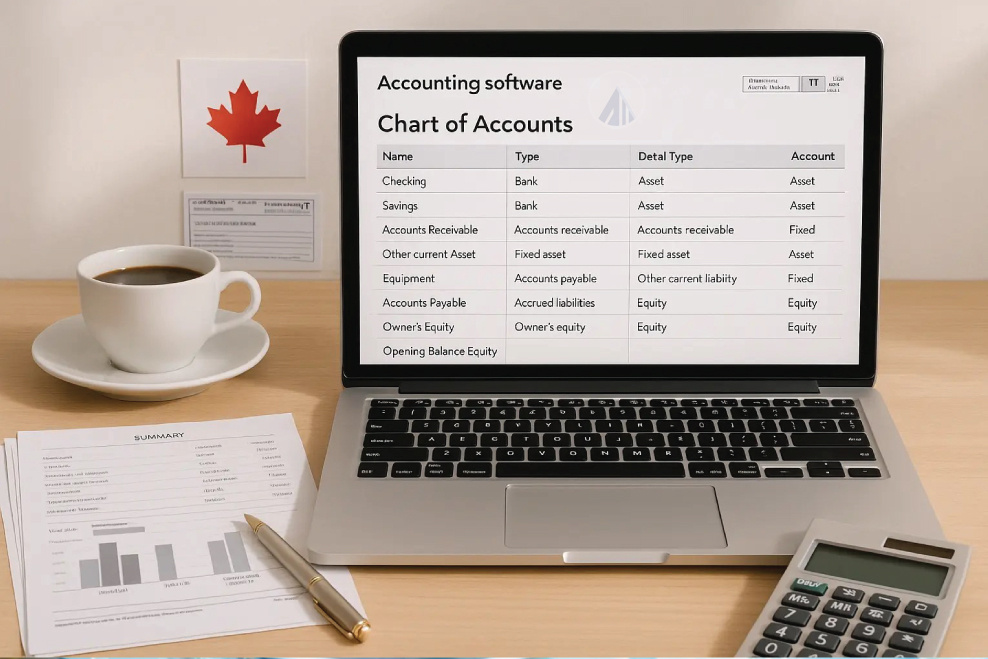
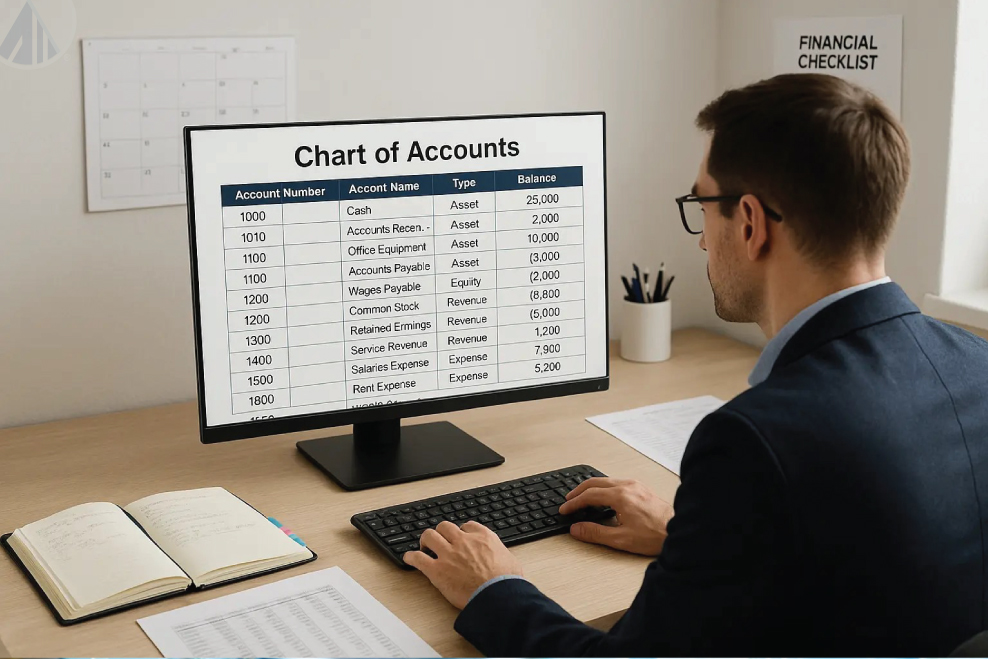
Chart of Accounts: Essential Guide to Structure & Categories

A chart of accounts is an organizational tool that lists all financial accounts in a company’s general ledger by category and line item. Whether you run a small business or manage finances for a large corporation, understanding how to structure and use a COA can make the difference between chaos and organised record-keeping.

A well-designed chart of accounts forms the foundation for all your financial reporting. It helps you track transactions and prepare accurate statements.

This system gives stakeholders a clear view of your company’s financial health. Think of it as the filing system for your business finances—every dollar that comes in or goes out needs a proper place to be recorded and categorised.

We’ll walk you through everything you need to know about creating and managing your chart of accounts. You’ll learn key components, account types, and best practices that will streamline your financial processes.

Set up a COA that grows with your business and supports accurate financial reporting for years to come.

What Is a Chart of Accounts?

A chart of accounts organises financial transactions into specific categories that businesses use to track their money. This system connects directly to the general ledger and forms the foundation for accurate financial statements.

Definition and Purpose

A chart of accounts is a structured list of all financial accounts that a business uses to record transactions. We use this system to organise every financial activity into specific categories.

The chart serves as an index for the general ledger. Each account gets a unique code and name for quick and easy information retrieval.

The main purposes include:

  • Organising financial data by category
  • Making transactions easy to find and track
  • Ensuring consistent recording methods
  • Supporting accurate financial reporting

Companies can modify their chart of accounts to fit their needs. We must follow standard accounting rules and keep the same format over time.

This consistency lets us compare financial performance across periods. It also helps investors and stakeholders understand our financial health.

Role in Accounting

The chart of accounts works as the backbone of accounting systems by providing structure for recording transactions. We use it to ensure every financial activity gets recorded in the right place.

Key roles in accounting include:

  • Transaction classification: Every expense, revenue, asset, and liability gets sorted into the correct account
  • Code organisation: Numbers help identify account types quickly (assets might use 100-199, liabilities 200-299)
  • Department tracking: We can separate expenses by department while using the same account structure

The chart connects to our general ledger, which records the actual transaction details. The chart lists available accounts, and the general ledger shows transaction history for each account.

This system makes bookkeeping more accurate and efficient. We can quickly locate specific accounts and ensure consistent transaction records.

Connection to Financial Statements

The chart of accounts determines how information appears on financial statements. We structure our chart to match the order of accounts on balance sheets and income statements.

Primary account categories include:

  • Assets (cash, inventory, equipment)
  • Liabilities (accounts payable, loans)
  • Equity (retained earnings, common stock)
  • Revenue (sales, service income)
  • Expenses (salaries, rent, utilities)

Each category breaks down into sub-accounts for detailed information. For example, assets might include cash, savings accounts, and inventory as separate line items.

The structure follows financial statement order with balance sheet accounts listed first, then income statement accounts. This organisation makes preparing financial statements faster and more accurate.

When we generate financial statements, the accounting software pulls data directly from these chart categories. This connection ensures our financial reports show the true financial position of the business.

Key Components of a Chart of Accounts

A chart of accounts contains five main categories that form the foundation of financial reporting. These categories split into balance sheet accounts—assets, liabilities, and equity—and income statement accounts for revenues and expenses.

Account Categories Overview

We organize chart of accounts into five fundamental categories that align with financial statements. Assets represent what the company owns. Liabilities show what we owe to others.

Equity reflects the ownership value after subtracting liabilities from assets. Revenue accounts track money earned from business activities.

Expense accounts record costs incurred to generate that revenue. Each category receives specific number ranges for easy identification.

Large businesses typically use four-digit numbering systems:

  • Assets: 1000-1999
  • Liabilities: 2000-2999
  • Equity: 3000-3999
  • Revenue: 4000-4999
  • Expenses: 5000-5999

This numbering structure leaves room for growth. We can add new accounts within each range as business needs expand.

Balance Sheet Accounts

Balance sheet accounts include assets, liabilities, and equity that appear on our balance sheet financial statement. Asset accounts list everything the company owns, from cash and inventory to equipment and buildings.

We arrange assets by liquidity, starting with current assets like cash and accounts receivable. Fixed assets such as property and equipment follow.

Intangible assets include patents, trademarks, and software. Liability accounts show debts owed to creditors.

These accounts typically include the word “payable” in their names. Examples include accounts payable, salaries payable, and interest payable.

Current liabilities appear first, followed by long-term debts. Owner’s equity accounts represent the company’s net worth after subtracting liabilities from assets.

Income Statement Accounts

Income statement accounts capture revenues and expenses that determine profitability over specific periods. Revenue accounts record income from selling products and services related to core business activities.

We include subcategories like sales revenue, service revenue, and interest income. Sales discounts and returns also appear as separate revenue accounts.

Expense accounts list costs incurred to generate revenue. Common examples include salaries, rent, utilities, and advertising expenses.

We organize expenses by function or nature depending on business needs. Service businesses emphasise labour and overhead costs.

Manufacturing companies track raw materials, production wages, and factory expenses separately from administrative costs.

Types of Accounts and Examples

Every chart of accounts contains five main account types that track different parts of your business finances. Asset accounts show what you own, liability accounts track what you owe, revenue accounts record money coming in, and expense accounts capture money going out.

Asset Accounts

Asset accounts represent everything your business owns that has value. These accounts appear on your balance sheet and help measure your company’s financial strength.

Current assets are items you can convert to cash within one year. Cash accounts track money in your bank accounts and petty cash.

Accounts receivable shows money customers owe you for goods or services already delivered. Inventory accounts track products you plan to sell.

Fixed assets are long-term items that support your business operations. These include buildings, equipment, vehicles, and furniture.

You’ll also track accumulated depreciation, which reduces the value of these assets over time. Other asset accounts might include:

  • Prepaid expenses (rent paid in advance)
  • Investments and securities
  • Patents and trademarks
  • Deposits paid to suppliers

Each asset account helps you understand what resources your business controls. Proper tracking ensures accurate financial reporting and helps with tax calculations.

Liability Accounts

Liability accounts show all the money your business owes to others. These accounts represent obligations or debts owed by a business to external parties.

Accounts payable is money you owe suppliers for goods or services received but not yet paid for. This is usually your largest liability account for most businesses.

Short-term liabilities must be paid within one year:

  • Credit card balances
  • Payroll taxes owed
  • Sales tax collected from customers
  • Accrued wages and benefits

Long-term liabilities extend beyond one year. Bank loans, mortgages, and equipment financing fall into this category.

You’ll also track the current portion of long-term debt separately. Other common liability accounts include customer deposits, deferred revenue, and warranty obligations.

Tracking these accounts helps you manage cash flow and ensure you can meet your payment obligations on time.

Revenue Accounts

Revenue accounts capture all the money your business earns from its main activities. Sales revenue from your primary products or services makes up the largest portion for most companies.

Service revenue tracks income from providing services to customers. Product sales records money from selling physical goods.

Many businesses separate these to better understand their income sources. You might also have:

  • Interest income from bank accounts
  • Rental income from property
  • Commission revenue
  • Subscription fees
  • Licensing revenue

Revenue accounts demonstrate the financial inflows from core business activities. Breaking revenue into specific categories helps you identify which parts of your business generate the most income.

Some businesses track revenue by department, product line, or customer type. This detailed tracking provides valuable insights for business decisions and planning future growth.

Expense Accounts

Expense accounts track all the costs of running your business. These accounts help you see where your money goes and spot ways to reduce costs.

Cost of goods sold includes direct costs to produce your products. This covers raw materials, manufacturing labour, and production overhead.

Operating expenses keep your business running day-to-day:

  • Rent and utilities
  • Employee salaries and benefits
  • Marketing and advertising
  • Office supplies
  • Professional services
  • Insurance premiums

Administrative expenses support general business functions like accounting, legal fees, and management salaries. Travel expenses, training costs, and equipment repairs also fall under operating categories.

Other expense accounts include depreciation, interest on loans, and taxes. Expense accounts are essential in assessing a company’s cost structure and profitability.

Organizing expenses into detailed categories makes tax preparation easier. It also helps you spot spending trends over time.

Setting Up a Chart of Accounts

A well-structured COA starts with careful planning of your account organisation and numbering system. Create logical categories and assign systematic codes to support both daily operations and financial reporting needs.

Designing Account Structure

When we design our chart of accounts, we start with five main categories. These include assets, liabilities, equity, revenues, and expenses.

Assets represent everything our business owns. Cash accounts, accounts receivable, inventory, and equipment fall into this category.

We organize assets from most liquid to least liquid.

Liabilities cover what we owe to others. Accounts payable, loans, and taxes payable are common examples.

Short-term obligations come before long-term debts.

Equity shows ownership in our business. This includes retained earnings and capital contributions from owners or shareholders.

Revenues track all income sources. Sales revenue, service income, and interest earned belong here.

We separate operating revenue from other income types.

Expenses include costs of running our business. Rent, utilities, wages, and supplies are typical expense accounts.

Organizing accounts using logical categories helps maintain clear financial records.

We create subaccounts when we need more detail. For example, a single “Office Expenses” account might break down into supplies, equipment, and furniture.

For a more detailed guide on best practices, check out our step-by-step article on How to Set Up a Chart of Accounts in Canada.

Account Numbering Systems

Our numbering system provides structure and makes finding accounts easier. Most businesses use a four-digit system with specific ranges for each category.

A standard numbering approach looks like this:

Account TypeNumber Range
Assets1000-1999
Liabilities2000-2999
Equity3000-3999
Revenue4000-4999
Expenses5000-5999

We leave gaps between account numbers for future growth. For example, we use 1010, 1020, 1030 instead of 1001, 1002, 1003.

This spacing lets us add new accounts without disrupting our system.

Larger businesses might use five or six digits. The first digit shows the main category, and additional digits provide more specific classification.

Proper account numbering systems make financial reporting faster and reduce errors. We keep our numbering consistent and logical throughout the entire COA structure.

Best Practices for Managing Your Chart of Accounts

Proper chart of accounts management means tailoring the structure to fit your business operations. Maintain uniform naming conventions and numbering systems, and review accounts regularly to keep them relevant and accurate.

Customising for Business Needs

We design our chart of accounts to reflect how our business operates. A retail company needs different expense categories than a software or manufacturing business.

Industry-Specific Considerations:

  • Service businesses focus on labour and overhead accounts
  • Retail operations require detailed inventory tracking accounts
  • Manufacturing companies need cost of goods sold breakdowns
  • Professional services emphasise project-based revenue accounts

Our account structure should match our reporting requirements. If we need monthly departmental reports, we create separate expense accounts for each department.

We avoid creating too many detailed accounts at first. Keep the structure simple while capturing essential financial information.

We can add more specific accounts as our business grows. The numbering system we choose must allow for future expansion.

Leave gaps between account numbers so we can insert new accounts without disrupting the logical flow.

Maintaining Consistency

Consistent naming and numbering prevent confusion and ensure accurate financial statements. We establish clear naming conventions and use them across all accounts.

Naming Standards:

  • Use descriptive but concise account names
  • Avoid abbreviations that might confuse users
  • Include account type indicators when helpful
  • Maintain parallel structure for similar accounts

We document our chart of accounts with clear descriptions for each account. This helps team members understand when to use specific accounts and reduces posting errors.

Our accounting software enforces consistent numbering sequences. Assets begin with 1, liabilities with 2, equity with 3, revenue with 4, and expenses with 5-7.

We train all staff who handle accounting transactions on proper account usage. Regular reviews help us spot inconsistencies before they affect our financial statement accuracy.

Adjusting and Updating Accounts

We review our chart of accounts regularly to ensure it meets our current business needs. Best practice suggests annual reviews, but growing businesses may need more frequent adjustments.

When to Update Accounts:

  • Adding new business lines or services
  • Changing reporting requirements
  • Implementing new accounting standards
  • Improving financial analysis capabilities

We make account changes at logical breakpoints, usually at year-end, to keep reporting consistent. Mid-year changes can complicate financial statement preparation.

We mark inactive accounts as such rather than deleting them immediately. This preserves historical transaction data and prevents future use.

We document all changes to maintain an audit trail. This includes the reason for changes, effective dates, and impact on financial reporting.

Before making changes, we consider how they affect existing reports and budgets. Major restructuring might require updating automated reports and training staff on new procedures.

Looking to keep your nonprofit finances in order? Explore our guide to best practices for maintaining a chart of accounts and strengthen your financial foundation.

The Chart of Accounts and Financial Reporting

The chart of accounts forms the backbone of an accounting system by determining how financial data flows into our main financial statements. Each account we create directly affects how transactions appear on our balance sheet and income statement.

Proper account structure is essential for accurate reporting.

Impact on Balance Sheet

Our balance sheet reflects the financial position through three main categories from our chart of accounts. Asset accounts show everything we own, such as cash, inventory, equipment, and property.

Liability accounts track what we owe, including loans, accounts payable, and accrued expenses. Equity accounts represent our ownership stake in the business, including retained earnings from previous years and owner contributions.

The balance sheet accounts are subdivided into current and non-current categories. Current assets like cash and accounts receivable appear first, followed by fixed assets like buildings and equipment.

Our chart of accounts structure determines how detailed our balance sheet appears. More specific accounts give us better insight into our financial position.

Impact on Income Statement

Revenue and expense accounts from our chart of accounts feed directly into our income statement. Revenue accounts capture all income sources, while expense accounts track every business cost we incur.

We can structure these accounts to match how we want to analyse our profitability. For example, separating direct costs from indirect costs helps us calculate gross margins more easily.

Marketing expenses, wages, and rent each get their own accounts for better tracking. The income statement accounts are divided into revenue and expense categories, with some businesses adding separate sections for gains and losses.

This organisation helps us understand where our money comes from and where it goes each period. Our account coding system makes pulling income statement data simple and consistent across reporting periods.

Conclusion

A well-structured chart of accounts forms the backbone of your financial reporting system. It organizes transactions into clear categories and creates a framework for consistent tracking using the five fundamental account types: assets, liabilities, equity, revenue, and expenses.

Proper numbering systems and naming conventions prevent confusion as your organization grows. A well-designed chart streamlines bookkeeping, creates accurate financial statements, and provides clarity to focus on your mission.

Ready to optimize your financial systems? Northfield & Associates specializes in helping Canadian nonprofits build robust financial frameworks. Visit us to learn how we can create a tailored chart of accounts for your organization.

Frequently Asked Questions

Chart of accounts often raise questions for business owners and accountants. These questions cover the structure, purpose, and practical use of account systems in daily operations.

What is the primary purpose of a chart of accounts?

The primary purpose of a chart of accounts is to organize and categorize all financial transactions in a business. It serves as the foundation of a company’s accounting processes.

We use it to create a structured system that makes tracking money easier. Every transaction gets placed into the right category automatically.

This organization helps us prepare financial reports quickly. We can see exactly where money comes from and where it goes.

What are the 5 basic accounts?

The five basic account types are assets, liabilities, equity, revenue, and expenses. These categories form the main account types in a COA.

Assets include everything we own like cash, equipment, and inventory. Liabilities cover what we owe to others like loans and unpaid bills.

Equity represents the owner’s stake in the business. Revenue tracks all money coming into the business from sales and services.

Expenses record all costs of running the business like rent, supplies, and wages.

Why do we need a chart of accounts?

We need a chart of accounts to keep accurate financial records and follow accounting standards.

It gives us a clear way to classify and organize financial data.

Without this system, we cannot track our business performance properly.

Financial reports would become messy and unreliable.

The chart helps us make better business decisions.

We can quickly see which areas make money and which areas cost too much.

Organized accounts make tax preparation much easier.

We can find the information we need without searching through piles of receipts.

Who uses chart of accounts?

Bookkeepers, accountants, business owners, and financial managers use charts of accounts every day.

Anyone who handles business money needs to understand this system.

Small business owners use simple charts with basic categories.

Large companies need complex charts with hundreds of different accounts.

Banks and investors look at our chart of accounts to see how we organize financial information.

Tax professionals use organized charts to prepare returns.

Government agencies expect businesses to keep these records.

What are the 5 levels of the chart of accounts?

The five levels usually include main categories, subcategories, account groups, individual accounts, and sub-accounts.

Each level gives more detail than the one before it.

Level one covers the basic five account types.

Level two splits these into groups like current assets and fixed assets.

Level three creates specific categories such as office equipment or vehicles.

Level four lists individual accounts like “Office Computer Equipment.”

Level five adds the smallest details with sub-accounts for specific items.

This structure allows for scalability and customization.

What is the difference between a chart of accounts and a general ledger?

A chart of accounts lists all account names and numbers we use. The general ledger shows the actual transaction details for each account.

Think of the chart of accounts as a filing system. The general ledger holds all the documents in those files.

We create the chart of accounts first to set up our categories. Then we record transactions in the general ledger with those categories.

The chart usually stays the same over time. The general ledger changes every day as we add new transactions.

Ready for better nonprofit reporting?
At Northfield & Associates, we have a team of professional bookkeepers and accountants to help your organization manage the books so that you can breeze through tax season.
GET IN TOUCH

What We Do!

We’re often asked by prospective clients what our Bookkeeping Service covers?  People want to know what specific tasks we do, and what their responsibility is.  This brief explainer page will answer that question.  This is by no means an exhaustive list, but covers the most frequently asked questions.

Getting Started

  • Review your existing books for needed corrections or back-work
  • Chart of accounts setup or amendment
  • Assistance with setting up bank feeds
  • Limited assistance* with setting up payroll (QBO or Gusto only)
  • Your books brought current and reconciled if needed

Ongoing Monthly Bookkeeping

  • After-the-fact transaction recording
  • Post to general ledger
  • Post to other ledgers (as needed)
  • Bank account reconciliation
  • Monthly financial statements
  • Other bookkeeping services, as required
  • Best-practice bookkeeping advice and counsel

Year End

  • Assistance with 1099-NEC preparation*
  • Assistance with 1099-MISC preparation*
  • Year-end financial statements and period-end closing

What We Don’t Do

Pay bills

We do not offer bill-pay services at this time, nor do we manage Accounts Payable (AP) or Accounts Receivable (AR).

Payroll tax responsibility

Our bookkeepers can assist you in setting up your initial payroll service in QBO or Gusto. We are not responsible for entering payroll hours/salary, accruing payroll taxes, nor the transmittal of payroll taxes to the IRS or the state.  Your full-service payroll provider (QBO, Gusto, or whatever other service a client uses) will be the responsible party for payroll and payroll tax compliance.

*Payroll deductions and benefits

We provide assistance with setting up a payroll account in either Quickbooks Online or Gusto, including entry of employee data.  We do not assist in state registrations, benefits, or advise on deductions.  Those service areas are provided directly by either QBO or Gusto.

Preparation of W2s

Similar to the last item, your full-service payroll provider (QBO/Gusto) is responsible for preparation of Form W2 for employees.

Sales tax reporting

For those nonprofits that sell taxable goods and/or services, your bookkeeper will assist in accounting for sales taxes collected and transmitted, but we do not prepare state sales tax reports.

Donation recording

We do not provide individual donation data entry into your neither your donor CRM nor Quickbooks Online, nor do we prepare year-end donor acknowledgements.

Administrative tasks

We cannot provide administrative services unrelated to our bookkeeping function.

Attend board meetings

Due to the constraints of time and distance, we are unable to be present, physically nor virtually, at a meeting of a client’s board of directors.*May incur additional fee per 1099-NEC or 1099-MISC.

Let’s Collaborate & Make a Difference!
Partner with us to amplify your mission. Whether it’s Charity accounting, financial transparency, or strategic growth—we’re here to help you create meaningful impact. Let’s work together to build a better future!
Book a Call

Contact us today to schedule your consultation.

Working with Our Firm

In this evolving economic landscape, collaboration with our firm offers clients a strategic advantage. With Cambodia’s reform-driven investment environment and Canada’s expanding footprint in Southeast Asia, our team of experienced consultants and legal advisors provides tailored guidance to help businesses navigate cross-border opportunities. We focus in developing comprehensive legal strategies, structuring international partnerships, and ensuring compliance in emerging markets.

By leveraging our regional insight and international expertise, you benefit from a trusted partner dedicated to helping you capitalize on growth potential in Cambodia and beyond.

Book a Consultation with Northfield & Associates
Your Trusted Partner in International Bilateral Relations

At Northfield & Associates are focus in Foreign Direct Investment (FDI), international trade missions, and cross-border legal strategy. Our team of experienced consultants and legal advisors offers tailored guidance and strategic insight to help you navigate the complexities of international partnerships and development opportunities.

Whether you choose to meet in person at one of our offices or connect virtually, we provide flexible and accessible consultation options. During your session, we’ll assess your goals, review key documentation, and guide you through every stage of your FDI or trade mission engagement.

Let us help you take the next step with confidence supported by trusted legal and strategic counsel every step of the way.

Northfield & Associates
Advancing Global Partnerships, Together.

Take the First Step Today

If you believe you may be eligible for legal relief or simply need sound legal advice, we’re here to help. Contact us today to book your consultation. Let us provide the clarity, strategy, and peace of mind you need to move forward.

Disclaimer: The information contained in this article is provided for general information purposes only and does not constitute legal or other professional advice. Readers should seek tailored legal advice in relation to their personal circumstances.

We serve our clients in English, Cambodian, Vietnamese, Mandarin and Cantonese, especially in Asian clients.

  • If you or anybody that you know, think that you meet the requirements and wish to receive further information.
  • We can help you start the application process and confirm eligibility requirements to participate.
  • We Offer Consultations & Meetings by Phone & Virtually. Affordable Fees.
Book a Consultation Today
Contact Northfield & Associates today to schedule a consultation with an experienced Consultant.
Book a call with a Consultation
Join the community of Northfield & Associates
Connect with peers and community ambassadors to hear real experiences, tips, and advice about studying abroad.
Explore Northfield & Associates community

About Northfield

Northfield & Associates International Corporation is a global consulting firm serving private enterprises, public institutions, not-for-profit organizations, and institutional capital providers. Operating across Cambodia, Canada, and global markets, the firm supports capital deployment, regulatory navigation, and enterprise decision-making in complex economic and geopolitical environments. Northfield & Associates delivers customized, execution-focused advisory solutions that drive measurable transformation, strengthen competitiveness, and enhance long-term highest value opportunities. The firm incorporates consulting, legal, regulatory, financial, and risk expertise to enable disciplined capital allocation, strong governance, and operational resilience. Northfield & Associates upholds a culture of applied insight and innovation, supporting clients across digital transformation, growth strategy, and organizational capability building. The firm advises individual, leading global corporations, midsize enterprises, government agencies, and mission-driven organizations through long-term partnerships. Enterprise-wide risk management, professional ethics, and fiduciary standards are embedded across all operations. Northfield & Associates’ diverse, globally unified teams are committed to execution certainty and sustainable, risk-adjusted returns aligned with ESG and stakeholder objectives.

Forward-Looking Information

This news release contains forward-looking information. All statements, other than statements of historic fact, that address activities, events or developments that the Company believes, expects or anticipates will or may occur in the future constitute forward-looking information.

This forward-looking information reflects the current expectations or beliefs of the Company based on information currently available to the Company.

Forward-looking information is subject to a number of risks and uncertainties that may cause the actual results of the Company to differ materially from those discussed in the forward-looking information, and even if such actual results are realized or substantially realized, there can be no assurance that they will have the expected consequences to, or effects on the Company. Factors that could cause actual results or events to differ materially from current expectations include, among other things: the failure to finalize negotiations concerning the increase of the Loan or to close such transaction and the failure of the Company to complete the acquisition of the Company Facility; operating performance of facilities; environmental and safety risks; delays in obtaining or failure to obtain necessary permits and approvals from government authorities; unavailability of plant, equipment or labour; inability to retain key management and personnel; changes to regulations or policies affecting the Company’s activities; and the other risks disclosed under the heading “Risk Factors” and elsewhere in the Company’s amended annual information.

Forward-looking information speaks only as of the date on which it is made and, except as may be required by applicable securities laws, the Company disclaims any intent or obligation to update any forward-looking information, whether as a result of new information, future events or results or otherwise. Although the Company believes that the assumptions inherent in the forward-looking information are reasonable, forward-looking information is not a guarantee of future performance and accordingly undue reliance should not be put on such information due to the inherent uncertainty therein.

Questions?

info@northfied.biz

Within Corporate Newsroom  

Media Contact:

media@northfied.biz

Press contact

PR consultants
press@northfied.biz

NOT LEGAL ADVICE. Information made available on this website in any form is for information purposes only. It is not, and should not be taken as, legal advice. You should not rely on, or take or fail to take any action based upon this information. Never disregard professional legal advice or delay in seeking legal advice because of something you have read on this website. Northfield & Associates professionals will be pleased to discuss resolutions to specific legal concerns you may have.

Categories
Northfield News

How to Set Up a Chart of Accounts in Canada: Best Practices

Setting up a chart of accounts forms the backbone of your business’s financial management system in Canada.

A properly organized chart of accounts includes five main categories – assets, liabilities, equity, revenue, and expenses – with numbered subcategories that reflect your specific business needs and Canadian accounting standards. 

We’ll walk you through the entire process of creating a chart of accounts that works for Canadian businesses. You’ll learn how to choose the right account categories, set up a logical numbering system, and avoid common mistakes that can cause problems later. We’ll also cover the specific requirements for Canadian businesses and share proven strategies to keep your chart of accounts clean and useful as your business grows.

Understanding the Chart of Accounts in Canada

A chart of accounts organizes all financial transactions into specific categories for Canadian businesses.

This system connects directly to your financial statements and ensures compliance with Canadian accounting standards.

It provides clear financial data for decision-making.

Definition and Purpose

chart of accounts (COA) is a list of all account names and numbers a Canadian business uses to record financial transactions.

Each account represents a category where you track money coming in and going out of your business.

The COA serves as your filing system for all financial activity.

When you make a business transaction, the chart tells you exactly where to record it in your general ledger.

This keeps your bookkeeping organized and accurate.

The main purpose is to categorize every dollar that flows through your business.

You can then see how much you earn from different sources and where you spend your money.

This organization makes it easier to prepare tax returns and meet Canada Revenue Agency requirements.

Your COA includes five main types of accounts: assets (what you own), liabilities (what you owe), equity (owner’s interest), revenue (money earned), and expenses (money spent).

Each type serves a role in tracking your financial position.

Role in Canadian Accounting Systems

The COA acts as the foundation for all your financial reporting and bookkeeping activities in Canada.

Every transaction you record must fit into one of these accounts, which ensures consistency across your financial records.

Canadian businesses use the COA to maintain compliance with accounting standards and tax regulations.

The Canada Revenue Agency requires you to keep detailed records of your business transactions.

A properly structured COA makes this requirement easier to meet.

Your accounting software relies on the chart of accounts to generate reports automatically.

Whether you use QuickBooks, Sage, or another platform, the software uses your COA to categorize and report your financial data.

The chart also supports your internal controls by creating clear rules about how to record transactions.

This reduces errors and helps prevent fraud. When everyone follows the same system, your financial data stays accurate and reliable.

Connection to Financial Statements

Your chart of accounts directly feeds into the two main financial statements Canadian businesses need: the balance sheet and income statement.

The way you organize your COA determines how these reports look and what information they contain.

Balance sheet accounts include your assets, liabilities, and equity.

These accounts show your financial position at a specific point in time. For example, your cash account shows how much money you have in the bank on any date.

Income statement accounts cover your revenue and expenses.

These accounts track your business performance over a period of time, like a month or year.

They tell you whether you made a profit or loss during that period.

The COA ensures your financial statements follow Canadian accounting standards.

This consistency makes it easier for banks, investors, and other stakeholders to understand your financial position.

It also simplifies preparing year-end reports and tax filings.

Essential Account Categories and Structure

A chart of accounts in Canada follows five main categories that align with standard accounting principles and CRA requirements.

These categories create a hierarchy that separates balance sheet accounts from income statement accounts, ensuring proper financial reporting and tax compliance.

Assets, Liabilities, and Equity Accounts

These three account types form the foundation of your balance sheet.

They show your company’s financial position at any point in time.

Asset accounts track everything your business owns that has value.

Organize these from most liquid to least liquid:

  • Current Assets:
    Cash (1000), Accounts Receivable (1010), Inventory (1020), Prepaid Expenses (1030)
  • Fixed Assets:
    Equipment (1040), Vehicles (1050), Buildings (1060)

Liability accounts record what you owe to others.

Structure these by payment timeline:

  • Current Liabilities: Accounts Payable (2000), Credit Card Payable (2010), GST/HST Payable (2020)
  • Long-term Liabilities: Business Loans (2030), Mortgage Payable (2040)

Equity accounts show ownership interest in your business:

  • Owner’s Equity (3000)
  • Retained Earnings (3010)
  • Common Stock (3020)

Number asset accounts starting with 1, liabilities with 2, and equity with 3.

This numbering system keeps your accounts organized and makes reporting easier.

Revenue and Expense Accounts

Revenue and expense accounts create your income statement.

They show how profitable your business is over a specific period.

Revenue accounts track all money coming into your business:

  • Sales Revenue (4000)
  • Service Revenue (4010)
  • Interest Income (4020)
  • Other Income (4030)

Start revenue account numbers with 4.

This makes it easy to identify income sources when reviewing reports.

Expense accounts record all costs you pay to run your business:

  • Cost of Goods Sold (5000)
  • Rent Expense (5010)
  • Utilities Expense (5020)
  • Payroll Expense (5030)
  • Office Supplies (5040)
  • Travel Expense (5050)

Expense accounts begin with 5.

Organize them by importance to your business operations.

For Canadian businesses, track specific expenses that matter for taxes.

This includes meals and entertainment, vehicle expenses, and home office costs.

Account Types and Hierarchies

Organize your chart of accounts using a clear hierarchy that supports financial reporting and business analysis.

Balance sheet accounts come first in your structure:

  1. Assets (1000-1999)
  2. Liabilities (2000-2999)
  3. Equity (3000-3999)

Income statement accounts follow after:

  1. Revenue (4000-4999)
  2. Expenses (5000-5999)

Within each main category, create subcategories using the second digit.

For example:

  • 1000-1099: Current Assets
  • 1100-1199: Fixed Assets
  • 5000-5099: Cost of Sales
  • 5100-5199: Operating Expenses

This numbering system lets you add new accounts without disrupting your existing structure.

You can insert account 1015 for “Allowance for Doubtful Accounts” between 1010 and 1020.

Keep similar accounts grouped together.

All payroll-related expenses stay in the 5300 range, while all utilities stay in the 5200 range.

Best Practices for Account Categories

Follow specific guidelines to keep your chart of accounts effective and compliant with Canadian requirements.

Keep it simple but complete. Include enough detail to track important business activities without unnecessary complexity.

A small business might need 50-75 accounts, while larger companies may need 200 or more.

Use consistent naming. Choose clear, descriptive names like “Office Rent Expense” instead of just “Rent.”

This prevents confusion when categorizing transactions.

Plan for growth. Leave gaps in your numbering system so you can add new accounts later.

Using 1000, 1010, 1020 instead of 1001, 1002, 1003 gives you room to expand.

Track tax-deductible expenses separately. Canadian tax rules require specific tracking for:

  • Meals and Entertainment (limited to 50% deduction)
  • Vehicle Expenses
  • Home Office Expenses
  • Capital Cost Allowance items

Create separate accounts for these to make tax preparation easier.

Review and update regularly. Add new accounts when you start new business activities.

Delete accounts only at year-end to maintain proper audit trails.

Match industry standards. Use account names and structures that align with your industry practices and CRA expectations.

Building the Chart of Accounts Step by Step

Building your chart of accounts requires careful planning and attention to detail.

You’ll establish relevant account categories, create a logical structure, assign proper numbering systems, and see practical examples for Canadian businesses.

Identifying Relevant Account Categories

Start by identifying the five main account categories that form the foundation of every chart of accounts.

These categories organize all financial transactions and feed directly into your financial statements.

Assets include everything your business owns that has value.

Cash, accounts receivable, inventory, equipment, and buildings fall into this category.

These accounts appear on your balance sheet.

Liabilities represent what your business owes to others.

Accounts payable, credit cards, loans, and GST/HST payable are common liability accounts.

These also appear on your balance sheet.

Equity shows the owner’s stake in the business.

Owner’s equity, retained earnings, and common stock belong here.

This category completes your balance sheet.

Revenue accounts track money coming into your business.

Sales revenue, service income, and interest income are typical revenue accounts.

These feed into your income statement.

Expenses record money going out of your business.

Rent, utilities, payroll, and office supplies are common expense accounts.

These also appear on your income statement.

Creating a Hierarchical Structure

Organize accounts in a hierarchical structure that moves from general to specific categories.

This structure makes your financial data easier to understand and analyze.

The main account categories sit at the top level.

Under each category, create subcategories that break down transactions into more specific groups.

For example, under Expenses, you might create subcategories like:

  • Operating expenses
  • Cost of goods sold
  • Administrative expenses

Under Operating Expenses, get even more specific:

  • Rent expense
  • Utilities expense
  • Insurance expense

This hierarchy lets you view financial information at different levels of detail.

You can see total expenses, operating expenses only, or drill down to specific expense types.

Assigning Account Numbers

We assign unique account numbers to each account in our chart of accounts. Account numbers organize our accounting system and help us find specific accounts quickly.

Canadian businesses usually use a four-digit numbering system:

  • 1000-1999: Assets
  • 2000-2999: Liabilities
  • 3000-3999: Equity
  • 4000-4999: Revenue
  • 5000-5999: Expenses

We leave gaps between account numbers so we can add new accounts later. For example:

  • 1000 – Cash
  • 1010 – Accounts Receivable
  • 1020 – Inventory

This spacing lets us insert new asset accounts without changing the existing structure. Some businesses use longer account numbers for more detailed categories.

Sample Chart of Accounts for Canadian Businesses

Here’s a sample chart of accounts for a Canadian small business:

Account NumberAccount NameAccount Type
1000CashAssets
1010Accounts ReceivableAssets
1020InventoryAssets
1030EquipmentAssets
2000Accounts PayableLiabilities
2010GST/HST PayableLiabilities
2020Bank LoanLiabilities
3000Owner’s EquityEquity
3010Retained EarningsEquity
4000Sales RevenueRevenue
4010Service RevenueRevenue
5000Cost of Goods SoldExpenses
5010Rent ExpenseExpenses
5020Utilities ExpenseExpenses
5030Payroll ExpenseExpenses

This structure provides a foundation for most Canadian businesses. We customize it to fit our industry and business needs.

Service businesses might add more service revenue accounts. Retail businesses need more inventory-related accounts.

Manufacturing companies require additional cost accounts.

Key Asset and Liability Accounts in Canada

Asset and liability accounts form the backbone of your Canadian business’s balance sheet. These accounts track what your company owns and what you owe to creditors and suppliers.

Current Assets and Cash Accounts

Current assets are resources we expect to convert to cash within one year. These accounts help us track short-term financial health.

Cash accounts include your main business chequing account, savings accounts, and petty cash. Start numbering these with 1000 for your main operating account.

Inventory accounts track goods you plan to sell. Use account 1020 for raw materials and 1030 for finished goods if you manufacture products.

Prepaid expenses cover payments made in advance, such as insurance premiums or rent. Set up account 1040 to track these items that provide future value.

Account NumberAccount NamePurpose
1000Cash – OperatingPrimary business chequing account
1010Cash – SavingsBusiness savings and reserves
1020InventoryProducts available for sale
1040Prepaid ExpensesAdvance payments for future services

Fixed Assets and Depreciation

Fixed assets are long-term resources that help generate revenue over several years. We must track these assets for both tax and financial reporting.

Equipment and machinery need separate accounts starting with 1500. Use specific accounts for office equipment (1510), vehicles (1520), and manufacturing equipment (1530).

Accumulated depreciation accounts show the decline in asset value over time. Use negative account numbers like -1510 to offset your equipment accounts.

Track buildings and land separately since land doesn’t depreciate. Use account 1600 for buildings and 1610 for land purchases.

We track depreciation annually for Canada Revenue Agency reporting. Depreciation affects both your balance sheet and income statement.

Current and Long-Term Liabilities

Liability accounts track money your business owes to others. Proper categorization helps manage cash flow and payment obligations.

Current liabilities are debts due within one year. Start these accounts with 2000 for better organization.

GST/HST payable (account 2100) tracks sales tax collected from customers. This account is essential for Canadian businesses registered for GST/HST.

Payroll liabilities include CPP, EI, and income tax deductions. Set up accounts 2200-2250 for different payroll obligations.

Long-term debt covers loans and mortgages due in more than one year. Use accounts starting with 2500 for these obligations.

Liability TypeAccount RangeExamples
Current2000-2499Credit cards, short-term loans
Long-term2500-2999Mortgages, equipment loans

Accounts Receivable and Payable

These accounts manage credit relationships with your customers and suppliers. They’re important for businesses that don’t operate on cash-only terms.

Accounts receivable (account 1100) tracks money customers owe you. Create sub-accounts for different customer types or aging periods.

Set up allowance for doubtful accounts (account 1150) to account for customers who might not pay.

Accounts payable (account 2000) records what you owe suppliers and vendors. This helps track payment due dates and manage cash flow.

Use separate payable accounts for different vendor types. Accounts 2010-2050 can track utilities, rent, and major suppliers.

Review and reconcile these accounts monthly to prevent errors and keep financial records accurate. Regular reviews help identify overdue accounts and payment priorities.

Revenue, Expense, and Equity Account Setup

We need careful planning to set up core account categories for business income, expenses, and ownership. These accounts capture daily transactions and long-term financial positions.

Income and Revenue Accounts

Revenue accounts track all money your business earns. Start with sales revenue as your main income account for product sales.

Create separate accounts for different income streams. Service revenue tracks money from consulting or other services. This separation shows which parts of your business earn the most.

Add other income accounts for non-core business earnings. Interest income tracks money from bank accounts or investments. Rental income captures payments from renting out space or equipment.

Use account numbers starting with 4000 for revenue accounts. Sales revenue might be 4000, service revenue 4010, and interest income 4020.

Group similar income sources together. If you have several service types, create sub-accounts like “consulting services” and “maintenance services” under your main service revenue category.

Operating and Non-Operating Expenses

Operating expenses include the cost of goods sold and daily business costs. Start with COGS as your first expense account if you sell products.

Create accounts for regular business costs. Salaries and wages need separate tracking from payroll taxes. This helps with tax reporting and budget planning.

Marketing expenses deserve their own account to track advertising costs. Office supplies, utilities, and rent each need individual accounts for better expense control.

Set up accrued expenses to track costs you owe but haven’t paid yet. This includes unpaid bills and employee benefits.

Use the 5000 number series for expenses. Cost of goods sold starts at 5000, salaries at 5010, and marketing at 5020.

Group related expenses together. Put all payroll costs (salaries, wages, taxes, benefits) in the 5010-5050 range for easier reporting.

Equity Accounts and Retained Earnings

Equity accounts show ownership in your business. Common stock represents shares issued to owners in a corporation.

Retained earnings tracks profits kept in the business instead of paid to owners. This account grows when you make profit and shrinks when you pay dividends.

Set up owner’s equity accounts for each business owner. In partnerships, create separate capital accounts for each partner’s investment and withdrawals.

Use the 3000 number series for equity accounts. Owner’s equity might be 3000, retained earnings 3010, and common stock 3020.

Keep equity accounts simple at first. Add more detailed tracking later as your business grows.

Tracking Office Supplies and Prepaid Expenses

Office supplies can be tracked as either an asset or expense account. If you buy supplies monthly, treat them as direct expenses.

Create a prepaid expenses asset account for large supply purchases. Move costs to expense accounts as you use the supplies.

Track prepaid insurance, rent, and software subscriptions in separate prepaid accounts. This improves control over cash flow timing.

Set up monthly processes to move prepaid amounts to expense accounts. This keeps your financial reports accurate each month.

Use account 1030 for prepaid expenses and 5040 for office supplies expenses. This separation shows both what you’ve paid ahead and current monthly costs.

Chart of Accounts Best Practices and Optimization Tips

Setting up your chart of accounts correctly from the start saves time and improves reporting accuracy. These practices help Canadian businesses create systems that grow with their needs and meet regulatory requirements.

Customizing Your Chart of Accounts

We design our chart of accounts to match our business needs, not just use generic templates. Most accounting software like QuickBooks provides standard templates, but these rarely fit every business perfectly.

Start with your industry requirements. Manufacturing companies need different expense categories than service businesses. Retail operations require inventory tracking that consultants don’t need.

Keep account names clear and specific. Instead of “Office Expenses,” use “Office Supplies” and “Office Equipment” as separate accounts. This makes financial analysis much easier later.

Plan for growth from day one. Leave gaps in your numbering system for future accounts. If you use 4010 for Sales Revenue, you can add 4020 for Service Revenue later without reorganizing everything.

Limit the number of accounts initially. Too many accounts create confusion and extra work. Add more accounts as your business grows and your reporting needs become more complex.

Leveraging Accounting Software

Modern accounting software helps us keep accurate records. It also lets us generate better financial reports.

We should choose software that fits our business size and needs.

QuickBooks Online works well for most small to medium Canadian businesses. It includes Canadian tax forms and supports multiple currencies.

Set up automation features to reduce manual data entry. Bank feeds import transactions automatically.

Recurring entries can handle regular bills and invoices.

Use account codes consistently. Most software allows custom numbering systems.

We should set up our numbering convention early and train all users to follow it.

Regular software updates help us stay compliant with Canadian tax rules. Cloud-based solutions usually handle updates automatically.

Generate monthly financial reports to monitor our financial performance. Consistent reporting helps us spot trends and make better decisions.

Maintaining Consistency and Scalability

Our chart of accounts needs clear rules that everyone follows. This keeps our financial data clean and reliable.

Create written procedures for categorizing transactions. Document which account to use for common expenses like meals, travel, and equipment.

Review accounts quarterly to find unused or duplicate accounts. Merge similar accounts to keep our system simple.

Train all users on proper account selection. When team members understand the system, we get more accurate financial data.

Plan for expansion by designing flexible account structures. If we operate in more than one location, we can add location codes to track performance by region.

Ensuring Compliance with Canadian Standards

Canadian businesses must follow specific accounting standards and tax rules. Our chart of accounts should help us meet these requirements.

Separate HST/GST accounts for each province where we operate. This approach makes tax filing simpler and reduces errors.

Track eligible business expenses in dedicated accounts. The Canada Revenue Agency has rules about meals, entertainment, and vehicle expenses that we must follow.

Maintain proper documentation for all account classifications. Clear records help us explain why we categorized expenses in certain accounts during CRA audits.

Use Canadian dollar as our base currency even if we work with international customers. Our accounting software uses multi-currency features to handle conversions and keep CAD records.

Conclusion

Setting up a clear, well-structured chart of accounts is one of the smartest moves you can make for your Canadian business or nonprofit. Focus on simplicity: use logical numbering, straightforward account names, and stick to a consistent method. With today’s cloud accounting tools, keeping your accounts organised and avoiding errors has never been easier.

Stay consistent each year and involve your leadership team so everyone’s on the same page. Try not to make things more complicated than they need to be. As your organisation grows, your chart of accounts should evolve with you, always following Canadian accounting standards.

If you need help building or reviewing your chart of accounts, the team at Northfield & Associates is here for you. We understand the ins and outs of Canadian accounting and can support you at every step.

Frequently Asked Questions

These common questions cover the chart of accounts setup procedures, numbering systems, and the different types of accounts Canadian businesses use. We also address changes in the accounting profession and specific requirements for Canadian tax compliance.

What is the future of accounting in Canada?

Canadian accounting is moving toward automation and cloud-based systems. The CRA requires accurate digital records and standardized account structures. AI helps with transaction categorization, but professional oversight remains essential for compliance.

How to properly set up a chart of accounts?

Start with five account types: assets, liabilities, equity, revenue, and expenses. Use four-digit numbering with

1000-1999 for assets,

2000-2999 for liabilities,

3000-3999 for equity,

4000-4999 for revenue, and

5000-9999 for expenses.

Use specific names like “Office Supplies” instead of vague terms.

How many types of accounts are there in Canada?

Canadian businesses use five main types: assets, liabilities, equity, revenue, and expenses. Assets and liabilities are split into current and long-term categories. Current items convert to cash or come due within one year.

What is the best practice for chart of accounts numbering?

Use a consistent four-digit system with standard ranges for each account type. Leave gaps between numbers for future expansion and keep the same system across all locations. Avoid changing numbers frequently.

What are all the registered accounts in Canada?

Tax-sheltered accounts include RRSPs, TFSAs, RESPs, RDSPs, and FHSAs. Business accounts include GST/HST, payroll, and corporate income tax accounts. Professional licensing and provincial registration create additional account requirements.

What is a CRA account in Canada?

A CRA account is your business registration with the Canada Revenue Agency using a nine-digit Business Number. You register when starting a business, creating tax filing obligations. Access it online through My Business Account for returns and payments.

Ready for better nonprofit reporting?
At Northfield & Associates, we have a team of professional bookkeepers and accountants to help your organization manage the books so that you can breeze through tax season.
GET IN TOUCH

What We Do!

We’re often asked by prospective clients what our Bookkeeping Service covers?  People want to know what specific tasks we do, and what their responsibility is.  This brief explainer page will answer that question.  This is by no means an exhaustive list, but covers the most frequently asked questions.

Getting Started

  • Review your existing books for needed corrections or back-work
  • Chart of accounts setup or amendment
  • Assistance with setting up bank feeds
  • Limited assistance* with setting up payroll (QBO or Gusto only)
  • Your books brought current and reconciled if needed

Ongoing Monthly Bookkeeping

  • After-the-fact transaction recording
  • Post to general ledger
  • Post to other ledgers (as needed)
  • Bank account reconciliation
  • Monthly financial statements
  • Other bookkeeping services, as required
  • Best-practice bookkeeping advice and counsel

Year End

  • Assistance with 1099-NEC preparation*
  • Assistance with 1099-MISC preparation*
  • Year-end financial statements and period-end closing

What We Don’t Do

Pay bills

We do not offer bill-pay services at this time, nor do we manage Accounts Payable (AP) or Accounts Receivable (AR).

Payroll tax responsibility

Our bookkeepers can assist you in setting up your initial payroll service in QBO or Gusto. We are not responsible for entering payroll hours/salary, accruing payroll taxes, nor the transmittal of payroll taxes to the IRS or the state.  Your full-service payroll provider (QBO, Gusto, or whatever other service a client uses) will be the responsible party for payroll and payroll tax compliance.

*Payroll deductions and benefits

We provide assistance with setting up a payroll account in either Quickbooks Online or Gusto, including entry of employee data.  We do not assist in state registrations, benefits, or advise on deductions.  Those service areas are provided directly by either QBO or Gusto.

Preparation of W2s

Similar to the last item, your full-service payroll provider (QBO/Gusto) is responsible for preparation of Form W2 for employees.

Sales tax reporting

For those nonprofits that sell taxable goods and/or services, your bookkeeper will assist in accounting for sales taxes collected and transmitted, but we do not prepare state sales tax reports.

Donation recording

We do not provide individual donation data entry into your neither your donor CRM nor Quickbooks Online, nor do we prepare year-end donor acknowledgements.

Administrative tasks

We cannot provide administrative services unrelated to our bookkeeping function.

Attend board meetings

Due to the constraints of time and distance, we are unable to be present, physically nor virtually, at a meeting of a client’s board of directors.*May incur additional fee per 1099-NEC or 1099-MISC.

Let’s Collaborate & Make a Difference!
Partner with us to amplify your mission. Whether it’s Charity accounting, financial transparency, or strategic growth—we’re here to help you create meaningful impact. Let’s work together to build a better future!
Book a Call

Contact us today to schedule your consultation.

Working with Our Firm

In this evolving economic landscape, collaboration with our firm offers clients a strategic advantage. With Cambodia’s reform-driven investment environment and Canada’s expanding footprint in Southeast Asia, our team of experienced consultants and legal advisors provides tailored guidance to help businesses navigate cross-border opportunities. We focus in developing comprehensive legal strategies, structuring international partnerships, and ensuring compliance in emerging markets.

By leveraging our regional insight and international expertise, you benefit from a trusted partner dedicated to helping you capitalize on growth potential in Cambodia and beyond.

Book a Consultation with Northfield & Associates
Your Trusted Partner in International Bilateral Relations

At Northfield & Associates are focus in Foreign Direct Investment (FDI), international trade missions, and cross-border legal strategy. Our team of experienced consultants and legal advisors offers tailored guidance and strategic insight to help you navigate the complexities of international partnerships and development opportunities.

Whether you choose to meet in person at one of our offices or connect virtually, we provide flexible and accessible consultation options. During your session, we’ll assess your goals, review key documentation, and guide you through every stage of your FDI or trade mission engagement.

Let us help you take the next step with confidence supported by trusted legal and strategic counsel every step of the way.

Northfield & Associates
Advancing Global Partnerships, Together.

Take the First Step Today

If you believe you may be eligible for legal relief or simply need sound legal advice, we’re here to help. Contact us today to book your consultation. Let us provide the clarity, strategy, and peace of mind you need to move forward.

Disclaimer: The information contained in this article is provided for general information purposes only and does not constitute legal or other professional advice. Readers should seek tailored legal advice in relation to their personal circumstances.

We serve our clients in English, Cambodian, Vietnamese, Mandarin and Cantonese, especially in Asian clients.

  • If you or anybody that you know, think that you meet the requirements and wish to receive further information.
  • We can help you start the application process and confirm eligibility requirements to participate.
  • We Offer Consultations & Meetings by Phone & Virtually. Affordable Fees.
Book a Consultation Today
Contact Northfield & Associates today to schedule a consultation with an experienced Consultant.
Book a call with a Consultation
Join the community of Northfield & Associates
Connect with peers and community ambassadors to hear real experiences, tips, and advice about studying abroad.
Explore Northfield & Associates community

About Northfield

Northfield & Associates International Corporation is a global consulting firm serving private enterprises, public institutions, not-for-profit organizations, and institutional capital providers. Operating across Cambodia, Canada, and global markets, the firm supports capital deployment, regulatory navigation, and enterprise decision-making in complex economic and geopolitical environments. Northfield & Associates delivers customized, execution-focused advisory solutions that drive measurable transformation, strengthen competitiveness, and enhance long-term highest value opportunities. The firm incorporates consulting, legal, regulatory, financial, and risk expertise to enable disciplined capital allocation, strong governance, and operational resilience. Northfield & Associates upholds a culture of applied insight and innovation, supporting clients across digital transformation, growth strategy, and organizational capability building. The firm advises individual, leading global corporations, midsize enterprises, government agencies, and mission-driven organizations through long-term partnerships. Enterprise-wide risk management, professional ethics, and fiduciary standards are embedded across all operations. Northfield & Associates’ diverse, globally unified teams are committed to execution certainty and sustainable, risk-adjusted returns aligned with ESG and stakeholder objectives.

Forward-Looking Information

This news release contains forward-looking information. All statements, other than statements of historic fact, that address activities, events or developments that the Company believes, expects or anticipates will or may occur in the future constitute forward-looking information.

This forward-looking information reflects the current expectations or beliefs of the Company based on information currently available to the Company.

Forward-looking information is subject to a number of risks and uncertainties that may cause the actual results of the Company to differ materially from those discussed in the forward-looking information, and even if such actual results are realized or substantially realized, there can be no assurance that they will have the expected consequences to, or effects on the Company. Factors that could cause actual results or events to differ materially from current expectations include, among other things: the failure to finalize negotiations concerning the increase of the Loan or to close such transaction and the failure of the Company to complete the acquisition of the Company Facility; operating performance of facilities; environmental and safety risks; delays in obtaining or failure to obtain necessary permits and approvals from government authorities; unavailability of plant, equipment or labour; inability to retain key management and personnel; changes to regulations or policies affecting the Company’s activities; and the other risks disclosed under the heading “Risk Factors” and elsewhere in the Company’s amended annual information.

Forward-looking information speaks only as of the date on which it is made and, except as may be required by applicable securities laws, the Company disclaims any intent or obligation to update any forward-looking information, whether as a result of new information, future events or results or otherwise. Although the Company believes that the assumptions inherent in the forward-looking information are reasonable, forward-looking information is not a guarantee of future performance and accordingly undue reliance should not be put on such information due to the inherent uncertainty therein.

Questions?

info@northfied.biz

Within Corporate Newsroom  

Media Contact:

media@northfied.biz

Press contact

PR consultants
press@northfied.biz

NOT LEGAL ADVICE. Information made available on this website in any form is for information purposes only. It is not, and should not be taken as, legal advice. You should not rely on, or take or fail to take any action based upon this information. Never disregard professional legal advice or delay in seeking legal advice because of something you have read on this website. Northfield & Associates professionals will be pleased to discuss resolutions to specific legal concerns you may have.

Categories
Northfield News

Bookkeeping Best Practices for Donor Advised Funds in Canada

Donor Advised Funds are a popular way for Canadians to manage charitable giving. However, they create unique bookkeeping challenges for both donors and charities.

These funds require careful tracking of donations and proper classification of revenue. Charities must also comply with Canada Revenue Agency requirements that differ from standard donation management.

Proper bookkeeping for donor advised fund grants ensures accurate tax reporting for donors. It also helps charities maintain CRA compliance and creates transparent financial records that build trust with stakeholders.

The complexity comes from managing the three-way relationship between donors, DAF sponsors, and recipient charities. Each party has distinct record-keeping responsibilities.

We’ll walk you through the essential systems needed to handle DAF grants effectively. This includes setting up proper fund accounting structures, managing donor relationships, and meeting regulatory standards.

Understanding Donor Advised Funds and Grant Bookkeeping

Donor advised funds need specific bookkeeping approaches that differ from traditional donations. Canadian charities must track both restricted and unrestricted grants and maintain proper documentation for CRA compliance.

Definition and Structure of Donor Advised Funds

For Donors:

  • Tracking Donations: Donors must keep accurate records of their contributions to DAFs. This includes the date of the donation, the amount, and the type of asset donated (cash, stocks, etc.). This documentation is essential for claiming the charitable tax credit on their income tax return. Proper bookkeeping ensures these records are readily available.
  • Valuation of Non-Cash Donations: If a donor contributes assets other than cash (e.g., stocks and real estate), they must determine the asset’s fair market value at the time of the donation. This valuation is crucial for calculating the tax deduction. Accurate bookkeeping is essential for maintaining records of these valuations.
  • Tracking Grant Recommendations: While the DAF sponsor handles the actual distribution of funds, donors should keep records of the grants they recommend. This helps them track their charitable giving and can be useful for future philanthropic planning.

Donor advised funds are charitable giving vehicles run by public charities, community foundations, or financial institutions. Donors contribute assets to these funds and keep advisory privileges over how the money is distributed to qualified charities.

The structure involves three key parties. The donor makes the initial contribution and receives an immediate tax receipt.

The DAF sponsor manages the funds and handles all legal requirements. The receiving charity gets the grant and must follow specific bookkeeping procedures.

Key Components:

  • Initial donor contribution (cash, stocks, or other assets)
  • DAF sponsor oversight and management
  • Grant recommendations from donors
  • Final distribution to qualified charities

The legal donor is actually the DAF sponsor, not the original contributor. This affects how we record and acknowledge these grants in our accounting systems.

Key Differences Between Restricted and Unrestricted Funds

Restricted funds come with specific conditions about how we must use the money. Unrestricted funds allow us to spend the grant as we see fit within our mission.

Restricted Fund Requirements:

  • Use fund accounting principles
  • Track spending separately from general funds
  • Report on specific use of funds
  • Maintain detailed records for compliance

Unrestricted grants go into our general operating funds. We must still track the source and acknowledge the grant properly.

The classification affects our financial reporting. We must show restricted funds separately on our financial statements.

This helps donors and regulators understand how we manage different types of funding.

Importance of Accurate Grant Tracking in Canada

The Canada Revenue Agency requires detailed records of all donations, including DAF grants. We must report this information on our T3010 annual return.

Poor tracking can lead to compliance issues.

Essential Tracking Elements:

  • Grant date and amount
  • DAF sponsor name
  • Any restrictions or conditions
  • Proper revenue classification

Accurate tracking helps us build stronger relationships with donors. Even though the grant comes from the DAF sponsor, we often acknowledge the recommending donor.

This requires linking grants to specific individuals in our database. We must implement strong internal controls over DAF grants.

These controls prevent errors and fraud and ensure we use restricted funds according to donor wishes. Regular reconciliations between bank statements and accounting records maintain accuracy.

In practice, here’s what that means for day-to-day bookkeeping:

For Charities Receiving Grants:

  • Recording Grant Revenue: Charities must properly record grants received from DAFs as revenue in their accounting records. This includes the date of the grant, the amount, and the name of the DAF sponsor. This revenue needs to be properly classified (restricted or unrestricted) depending on any conditions attached to the grant.
  • Acknowledging DAF Grants: While the grant may technically come from the DAF sponsor, charities often acknowledge the donor’s recommendation. This requires maintaining records that link the grant to the recommending donor (unless the donation is anonymous). This is important for donor relations.
  • Compliance with CRA Requirements: The CRA requires charities to maintain accurate records of all donations received, including grants from DAFs. This information is reported on the charity’s T3010 annual information return. Proper bookkeeping is essential for ensuring compliance with these reporting requirements.
  • Fund Accounting for Restricted Grants: If a DAF grant is restricted to a specific purpose, the charity must use fund accounting principles to track the grant funds separately from other funds. This ensures that the grant is used for its intended purpose and that proper reporting is maintained.

Compliance Requirements and Canadian Regulatory Standards

Charities receiving donor-advised fund grants must follow strict CRA guidelines for record-keeping and filing. These requirements include annual T3010 submissions and keeping detailed financial records for seven years.

Canada Revenue Agency Guidelines for Charities

The CRA requires registered charities to maintain accurate records of all grants received from donor-advised funds. We must classify these grants as either restricted or unrestricted revenue in our accounting systems.

Key CRA requirements include:

  • Recording the exact date and amount of each DAF grant
  • Identifying the DAF sponsor organization
  • Documenting any restrictions or conditions attached to grants
  • Maintaining donor acknowledgment records

It ties the idea that CRA compliance affects not just donors and DAFs, but also staff working from home.

When we receive DAF grants, we treat them as charitable donations under the Income Tax Act. The CRA expects us to follow Canadian accounting standards for not-for-profit organizations when recording these transactions.

We need to implement proper internal controls over DAF grant processing. This includes separating duties between staff who receive grants and those who record them in our books.

T3010 Filing and Charitable Status Maintenance

Our annual T3010 information return must include all DAF grants received during the fiscal year. We report these grants in the appropriate revenue categories based on their restrictions and purposes.

T3010 reporting requirements:

  • Total DAF grant amounts in Section C (Revenue)
  • Program-specific grants under designated activities
  • Investment income from DAF-funded programs
  • Administrative costs related to grant management

If we fail to report DAF grants properly, we risk our charitable status. The CRA reviews T3010 filings to ensure we meet the disbursement quota and operate for charitable purposes.

We must file our T3010 within six months of our fiscal year-end. Late or incomplete filings can result in penalties or suspension of our charitable registration.

Record Retention and Accessibility Rules

The CRA requires us to keep all DAF grant records for seven years from the end of the tax year they relate to. These records must be readily accessible for CRA audits or reviews.

Essential records to maintain:

  • Original grant agreements and correspondence
  • Bank deposit records and receipts
  • Internal approval documentation
  • Expenditure tracking for restricted grants
  • Donor acknowledgment letters

We must store records in Canada unless we receive written CRA permission otherwise. Electronic records are acceptable if we can produce them in readable format during audits.

Our record-keeping system should allow quick retrieval of DAF grant information. We need to cross-reference grants with specific programs or activities they funded to show proper fund usage.

Setting Up Effective Fund Accounting Systems

Effective fund accounting systems need a structured chart of accounts, clear approval processes, and reliable software. These components work together to track Donor Advised Fund grants accurately while meeting Canadian compliance requirements.

Creating a Nonprofit Chart of Accounts

A proper chart of accounts forms the foundation of effective fund accounting for DAF grants. We need to create separate account codes for each fund type and revenue source.

Revenue accounts should distinguish between DAF grants and other donations. Create codes like “4100 – DAF Grant Revenue” and “4200 – Direct Donations.”

This separation helps us track funding sources clearly. Expense accounts must align with fund restrictions.

Set up project-specific codes such as “6100 – Program A Expenses” or “6200 – Research Project Costs.” This structure ensures we spend restricted funds correctly.

Fund designations require careful planning. We should establish codes for unrestricted general funds, temporarily restricted funds, and permanently restricted endowments.

Each DAF grant needs its own tracking code within these categories.

Account TypeCode RangeExample
DAF Revenue4100-41994110 – Education Fund DAF
Program Expenses6100-62996150 – Youth Program Costs
Administrative6300-63996310 – Office Expenses

Asset accounts should track any investments or special purpose funds separately. This helps us maintain proper stewardship of donor-advised contributions.

Segregation of Duties and Approval Workflow

Internal controls protect our organisation from errors and fraud when handling DAF grants. We must separate key financial duties among different staff members.

Payment approval requires multiple people in the process. One person should prepare invoices, another should approve payments, and a third should process the actual payment.

This three-way split reduces risk. Grant acceptance needs formal documentation.

We should require written approval from our executive director or board before accepting any DAF grant with restrictions. This prevents unauthorized commitments.

Bank reconciliation must happen monthly by someone who doesn’t handle cash receipts. This person should compare bank statements to our accounting records and investigate any differences immediately.

Spending authority levels help control expenses:

  • Staff: Up to $500
  • Department heads: Up to $2,000
  • Executive director: Up to $10,000
  • Board approval: Over $10,000

Documentation requirements should mandate receipts, invoices, and approval forms for all transactions. We need clear paper trails for every DAF grant dollar spent.

Charities can strengthen their systems by adopting the following key bookkeeping practices:

Key Bookkeeping Practices Related to DAFs:

  • Clear Chart of Accounts: The charity’s chart of accounts should include specific accounts for tracking DAF grants, distinguishing them from other types of donations.
  • Detailed Transaction Records: Maintain detailed records of all transactions related to DAF grants, including the date, amount, and any restrictions.
  • Regular Reconciliations: Regularly compare bank statements with internal accounting records to maintain accuracy and catch errors.
  • Internal Controls: Implement strong internal controls over handling DAF grants to prevent fraud and errors.
  • Professional Advice: Consult with a qualified accountant or bookkeeper experienced in non-profit accounting to ensure compliance with CRA regulations and best practices.

    In summary, proper bookkeeping is essential for DAF donors and the charities that benefit from them. Accurate record-keeping ensures compliance with tax laws, facilitates responsible financial management, and supports effective philanthropic planning.

Fund Accounting Software for Grant Management

Modern accounting software streamlines DAF grant tracking and reporting. We have several options that handle fund accounting effectively.

QuickBooks Premier Nonprofit offers basic fund tracking through classes and locations. We can assign each DAF grant to a specific class, making it easy to run fund-specific reports.

The software costs around $500 annually per user. Sage Intacct provides advanced fund accounting features.

We can set up unlimited dimensions to track grants by funder, project, and restriction type. The multi-entity capabilities help larger organisations manage multiple programs.

Blackbaud Financial Edge NXT specializes in nonprofit accounting. It handles complex fund restrictions automatically and generates CRA-compliant reports.

The system integrates well with donor management tools. Key features we should look for include:

  • Multi-dimensional reporting
  • Automated fund balance calculations
  • Grant-specific financial statements
  • CRA T3010 report generation
  • Bank reconciliation tools

Implementation tips help ensure success. We should import our chart of accounts carefully, train all users properly, and set up automated backup systems.

Regular software updates keep our systems secure and compliant.

Best Bookkeeping Practices for Donor Advised Fund Grants

Proper grant revenue recognition ensures compliance with accounting standards. Detailed expense tracking provides the transparency donors expect.

Strong audit trails protect charities and donors by creating clear records of all financial transactions.

Grant Revenue Recognition and Deferred Revenue

We must record DAF grants as revenue only when we meet the recognition criteria. This means confirming that the grant is unconditional and we have received written confirmation from the DAF sponsor.

Conditional vs. Unconditional Grants:

  • Conditional grants require specific performance before recognition
  • Unconditional grants can be recognised immediately upon receipt

When grants have restrictions or conditions, we record them as deferred revenue until we fulfill the requirements. This creates a liability on our balance sheet that converts to revenue once conditions are met.

We should establish clear procedures for reviewing grant agreements. Each agreement must be examined for donor restrictions, performance requirements, and reporting obligations.

Monthly reconciliations help ensure our revenue recognition aligns with actual grant receipts. This practice prevents errors and maintains accurate financial statements.

Detailed Expense Tracking and Supporting Documentation

Every expense related to DAF grants requires proper supporting documentation. We must maintain receipts, invoices, and approval forms for all transactions.

Our chart of accounts should include specific codes for DAF-funded activities. This separation allows us to track how grant funds are used and provides clear reporting to donors.

Essential Documentation Includes:

  • Original receipts and invoices
  • Purchase approvals and authorisations
  • Vendor contracts and agreements
  • Staff time sheets for salary allocations

We must implement expense approval processes with multiple levels of review. This ensures all spending aligns with grant purposes and organisational policies.

Digital filing systems help organise and preserve supporting documents. Backup copies protect against loss and make information easily accessible during audits.

Maintaining an Effective Audit Trail

Strong audit trails connect every financial transaction to its source documentation. We maintain chronological records that show the complete transaction history.

Each entry in our accounting system references supporting documents. This includes invoice numbers, approval signatures, and bank deposit records.

Key Audit Trail Components:

  • Transaction dates and amounts
  • Account codes and descriptions
  • Supporting document references
  • Approval signatures and initials

We implement financial controls that require dual approval for significant transactions. These controls prevent unauthorised spending and create checkpoints in our processes.

Regular internal reviews help us identify gaps in our audit trails. Monthly reconciliations and quarterly account reviews keep our records complete and accurate.

Donor Management and Receipting

Managing donor relationships for DAF grants requires careful tracking of donor information and proper receipting. Clear communication strategies help us maintain strong relationships and comply with Canadian Revenue Agency requirements.

Maintaining Comprehensive Donor Records

We track detailed information about DAF donors and their grant recommendations. This includes the donor’s contact information, giving history, and specific preferences for their charitable contributions.

Our donor records include the recommending donor’s name, address, and phone number. We also record the DAF sponsor organization that sends the grant funds.

Key information to track:

  • Date of each DAF grant received
  • Grant amount and any restrictions
  • Donor’s preferred communication methods
  • Previous grant history from the same donor
  • Special acknowledgment requests

We maintain separate records linking DAF grants to the recommending donors. This practice helps us build relationships even though the legal donor is the DAF sponsor.

Our donor management systems handle the unique structure of DAF giving. Standard donation tracking may not capture the relationship between the DAF sponsor and the recommending donor.

Proper Donor Receipting and Acknowledgment

DAF grants create unique receipting challenges because the legal donor differs from the person making recommendations. We do not issue tax receipts to the recommending donor since they already received their tax benefit when contributing to the DAF.

The DAF sponsor is the legal donor and receives any official tax receipts. We can still acknowledge the recommending donor’s role in directing the grant to our organization.

Receipting requirements:

  • Issue official receipts only to the DAF sponsor
  • Include the DAF sponsor’s name and registration number
  • Record the grant date and amount accurately
  • Note any donor restrictions on fund use

We send thank-you letters to recommending donors without calling them tax receipts. These acknowledgments help us maintain donor relationships and comply with CRA rules.

Our receipting process clearly distinguishes between official tax receipts and donor acknowledgments. This approach prevents confusion and ensures proper tax compliance.

Effective Donor Communication Strategies

We use different communication approaches for DAF sponsors and recommending donors. Our messages respect the legal structure while building meaningful relationships with both parties.

For recommending donors, we focus on impact stories and program updates. These communications show how their grant recommendations create positive change in our community.

Communication best practices:

  • Send impact reports showing grant results
  • Invite recommending donors to events and programs
  • Provide regular updates on organizational activities
  • Respect donor privacy preferences and restrictions

We ask recommending donors about their communication preferences during initial contact. Some prefer regular updates, while others want minimal communication.

Our donor communication never promises tax benefits to recommending donors. We emphasize the impact of their recommendations without creating tax receipt confusion.

Regular communication encourages future grant recommendations from the same donors. Building these relationships supports long-term fundraising success through DAF channels.

Reporting, Reconciliation, and Financial Oversight

Strong financial oversight ensures we properly track and report DAF grants to meet CRA requirements. Regular reconciliation and comprehensive reporting build donor trust and regulatory compliance.

Bank Reconciliation and Regular Financial Reviews

We perform monthly bank reconciliations to match all DAF grant deposits with our internal records. This process catches errors early and ensures accurate financial tracking.

Bank statements show clear identification of DAF grants. We compare these deposits against our grant notification letters from DAF sponsors.

Key reconciliation steps include:

  • Matching grant amounts to bank deposits
  • Verifying deposit dates against grant notifications
  • Identifying any timing differences or fees
  • Recording adjustments for bank charges or interest

We conduct quarterly financial reviews beyond basic reconciliations. These reviews examine grant spending patterns and restricted fund compliance.

Monthly variance reports help us spot unusual activity. We compare actual DAF grant revenue against budgeted amounts to track performance.

Preparing Financial Statements and Reports

Our annual financial statements clearly show DAF grants as revenue. We separate restricted grants from unrestricted funding in our reporting.

The Statement of Financial Position displays restricted fund balances separately. This transparency helps board members and donors understand fund usage.

Required financial reports include:

  • Statement of Operations showing grant revenue
  • Statement of Changes in Net Assets
  • Notes explaining restricted fund purposes
  • Cash flow statements tracking grant timing

We prepare quarterly board reports summarizing DAF grant activity. These reports show grants received, funds spent, and remaining balances for restricted purposes.

Monthly donor reports strengthen relationships. We show how their recommended grants support our mission and create impact.

External Audit and Board Oversight

External audits provide independent verification of our DAF grant handling. Auditors examine our revenue recognition policies and restricted fund management.

We keep detailed documentation for auditor review. This includes grant agreements, restriction letters, and spending authorizations.

Board oversight ensures proper DAF grant governance. Audit committee members understand restricted fund obligations and compliance requirements.

Board responsibilities include:

  • Reviewing quarterly grant reports
  • Approving restricted fund spending
  • Monitoring compliance with donor restrictions
  • Ensuring proper financial controls

We schedule annual board training on restricted fund management. This training helps directors fulfill their oversight duties effectively.

Independent audit firms experienced with charitable organizations provide the best oversight. They understand CRA requirements and nonprofit accounting standards.

Additional Considerations for Canadian Nonprofits

Canadian nonprofits managing donor-advised funds face unique challenges with asset valuation, investment tracking, and operational costs. These areas require specialized bookkeeping approaches.

Managing In-Kind Donations and Fair Market Value

In-kind donations from DAFs require careful tracking and valuation. We record these donations at their fair market value on the date received.

Common in-kind assets include stocks, real estate, and artwork. Each asset type needs different valuation methods.

Securities use the closing price on the donation date. Real estate requires professional appraisals for amounts over $1,000.

We keep copies of all appraisal documents for CRA compliance. We create separate accounts in our chart of accounts for different asset types.

This approach helps track the fair market value versus actual proceeds if assets are sold. The matching principle requires us to record both the donation revenue and any related expenses in the same period.

We track administrative costs for processing complex assets separately. This helps us manage expenses properly.

Handling Investment Income and Endowment Funds

Investment income from DAF grants affects our net assets and needs specific accounting treatment. We distinguish between restricted and unrestricted investment earnings.

Endowment funds from DAFs have special rules. The principal usually stays intact while investment income funds operations.

We track these using fund accounting principles. Cash flow management becomes critical when investment values fluctuate.

We maintain detailed records of:

  • Original grant amounts
  • Investment gains and losses
  • Distribution timing
  • Spending policy compliance

Foundation grants that include investment components need separate tracking. This ensures we meet donor restrictions and CRA reporting requirements.

Administrative Costs and Staff Training

We track administrative costs for managing DAF grants carefully. We allocate these expenses properly between fundraising and program activities.

Staff training on DAF procedures is essential. Our bookkeeping team needs to understand donor restrictions, asset valuation, and reporting requirements.

Key training areas include:

  • Fair market value calculations
  • Fund accounting principles
  • CRA compliance requirements
  • Investment tracking procedures

We budget for ongoing professional development. Complex DAF transactions often require specialized knowledge that regular nonprofit bookkeeping does not cover.

We track fundraising expenses related to DAF solicitation separately. This helps us calculate accurate cost ratios for our financial health assessments.

Conclusion

Managing donor-advised fund grants requires careful attention to detail for both donors and charities. Proper record-keeping ensures we comply with CRA requirements and build trust with supporters.

We know that DAF bookkeeping can be complex for Canadian charities. Investing in proper systems and procedures improves efficiency and reduces compliance issues.

At Charity Accounting Firm, we help Canadian non-profits manage their financial records effectively. Our team understands the unique requirements of donor-advised funds and can help your organisation maintain accurate books while staying compliant with all regulations.

Frequently Asked Questions

Many bookkeepers face common challenges when handling DAF grants in their accounting systems. These questions cover recording procedures, regulatory requirements, and practical management concerns in Canadian charitable organizations.

How to record donor-advised funds?

We record DAF grants as revenue when the charity receives the funds. The entry includes the date, amount, and the name of the DAF sponsor organization.

We classify the grant as either restricted or unrestricted revenue. This depends on any conditions the donor placed on how we can use the funds.

We create separate accounts in our chart of accounts for DAF grants. This helps us distinguish them from other types of donations for reporting purposes.

We maintain records that link the grant to the recommending donor unless they requested anonymity. This information helps with donor relations and future fundraising efforts.

What is the 5% rule for DAF?

The 5% rule does not apply to donor-advised funds in Canada. This rule exists in the United States but is not part of Canadian regulations.

Canadian DAFs operate under different rules set by the Canada Revenue Agency. There are no mandatory annual distribution requirements for DAFs in Canada.

Donors can recommend grants from their DAF at any time. They are not required to distribute a minimum percentage each year like some other charitable vehicles.

Do donor-advised funds exist in Canada?

Yes, donor-advised funds operate in Canada through registered charities. These are restricted accounts held within a charity in the donor’s name or family name.

Canadian DAFs must operate through qualified donees recognized by the Canada Revenue Agency. The sponsoring organization must be a registered charity or public foundation.

Donors receive immediate tax receipts when they contribute to a DAF. They can then recommend grants to other qualified donees over time.

Who can manage a donor-advised fund?

The sponsoring charity legally controls and manages the DAF. They handle the accounting, legal requirements, investment decisions, and grant distributions.

Donors can recommend which charities should receive grants from their fund. However, the sponsoring organization makes the final decision on all distributions.

Some DAF sponsors offer professional management services. These include investment advice, philanthropic consulting, and administrative support.

How to manage donor funds?

We use fund accounting principles to track restricted DAF grants separately from other funds. This helps us use the money for its intended purpose.

We implement strong internal controls over DAF grant handling. We require approval processes and documentation for each transaction.

We perform regular reconciliations to ensure accuracy. We keep detailed records for all DAF-related activities, including dates, amounts, and restrictions.

We record any communication with donors or sponsors. We compare our bank statements with internal accounting records to catch errors and maintain accurate financial reporting.

What are the disadvantages of DAFs?

Donors lose legal control over their assets once they transfer them to a DAF. The sponsoring charity decides on all grant distributions.

Administrative fees reduce the amount available for grants. These fees differ between DAF sponsors and can affect long-term giving.

DAF grants may create extra bookkeeping work for receiving charities. We need separate tracking systems and compliance procedures for these funds.

Some critics say that DAFs let donors get immediate tax benefits without making timely charitable distributions. This can delay benefits to charitable causes.

Categories
Northfield News

A Guide to Reinstating a Revoked Charity License in Ontario, Canada

Ensuring compliance with regulatory requirements is a critical aspect for charitable organizations in Ontario, Canada. Unfortunately, there are instances where a charity’s license may be revoked due to various reasons. This comprehensive guide aims to provide step-by-step assistance for organizations seeking to reinstate their revoked charity license in Ontario.

Understanding Charity License Revocation:

Charitable organizations in Ontario are bound by specific regulations established by the Canada Revenue Agency (CRA). Non-compliance with these regulations can lead to the revocation of a charity’s license. Common reasons for revocation include failure to meet reporting obligations, misuse of funds, or deviations from charitable purposes.

Key Steps for Reinstatement:

Reinstating a revoked charity license is a meticulous process that requires careful attention to detail. The following steps provide a roadmap for organizations navigating this challenging journey:

1. Identify Reasons for Revocation:

  • Conduct an internal review to understand the reasons behind the license revocation.
  • Pinpoint areas of non-compliance or issues that led to the revocation.

2. Address Non-Compliance Issues:

  • Take proactive steps to rectify non-compliance issues identified during the internal review.
  • Update financial records, submit outstanding reports, and enhance governance and accountability measures.

3. Engage with the CRA:

  • Establish communication with the Charities Directorate of the CRA.
  • Express your organization’s intent to reinstate the charity license and seek guidance on specific requirements.

4. Prepare and Submit Reinstatement Application:

  • Collaborate with legal experts, such as BIG Charity Law Group PC.
  • Prepare a comprehensive reinstatement application, including details about your organization, steps taken to address issues, and plans for future compliance.
  • Submit all necessary supporting documentation with accuracy and completeness.

5. Demonstrate Compliance and Good Standing:

  • Anticipate a thorough review of your organization’s activities, financial records, and governance practices by the CRA.
  • Demonstrate your commitment to compliance, transparency, and adherence to charitable purposes.
  • Provide any additional information or documentation requested by the CRA to support your reinstatement application.

Seeking Professional Legal Guidance:

Reinstating a revoked charity license requires specialized expertise in charity law and CRA requirements. Organizations can benefit from seeking legal guidance from professionals.

At Northfield & Associates, our expert guidance on compliance requirements. Our team understands Canadian charity law and can help ensure your organisation follows proper procedures.

Get professional support today by email at info@northfield.biz, by phone at (416) 317-6806, or visit us or Schedule your free consultation to discuss your specific circumstances and receive expert assistance throughout the reinstatement process with our experienced legal team.

Reinstating a revoked charity license in Ontario demands careful navigation through the intricacies of charity law. This guide, coupled with the expertise of legal professionals, aims to empower organizations to successfully reinstate their charity licenses, allowing them to continue their vital work in the community.

Ready for better nonprofit reporting?
At Northfield & Associates, we have a team of professional bookkeepers and accountants to help your organization manage the books so that you can breeze through tax season.
GET IN TOUCH

What We Do!

We’re often asked by prospective clients what our Bookkeeping Service covers?  People want to know what specific tasks we do, and what their responsibility is.  This brief explainer page will answer that question.  This is by no means an exhaustive list, but covers the most frequently asked questions.

Getting Started

  • Review your existing books for needed corrections or back-work
  • Chart of accounts setup or amendment
  • Assistance with setting up bank feeds
  • Limited assistance* with setting up payroll (QBO or Gusto only)
  • Your books brought current and reconciled if needed

Ongoing Monthly Bookkeeping

  • After-the-fact transaction recording
  • Post to general ledger
  • Post to other ledgers (as needed)
  • Bank account reconciliation
  • Monthly financial statements
  • Other bookkeeping services, as required
  • Best-practice bookkeeping advice and counsel

Year End

  • Assistance with 1099-NEC preparation*
  • Assistance with 1099-MISC preparation*
  • Year-end financial statements and period-end closing

What We Don’t Do

Pay bills

We do not offer bill-pay services at this time, nor do we manage Accounts Payable (AP) or Accounts Receivable (AR).

Payroll tax responsibility

Our bookkeepers can assist you in setting up your initial payroll service in QBO or Gusto. We are not responsible for entering payroll hours/salary, accruing payroll taxes, nor the transmittal of payroll taxes to the IRS or the state.  Your full-service payroll provider (QBO, Gusto, or whatever other service a client uses) will be the responsible party for payroll and payroll tax compliance.

*Payroll deductions and benefits

We provide assistance with setting up a payroll account in either Quickbooks Online or Gusto, including entry of employee data.  We do not assist in state registrations, benefits, or advise on deductions.  Those service areas are provided directly by either QBO or Gusto.

Preparation of W2s

Similar to the last item, your full-service payroll provider (QBO/Gusto) is responsible for preparation of Form W2 for employees.

Sales tax reporting

For those nonprofits that sell taxable goods and/or services, your bookkeeper will assist in accounting for sales taxes collected and transmitted, but we do not prepare state sales tax reports.

Donation recording

We do not provide individual donation data entry into your neither your donor CRM nor Quickbooks Online, nor do we prepare year-end donor acknowledgements.

Administrative tasks

We cannot provide administrative services unrelated to our bookkeeping function.

Attend board meetings

Due to the constraints of time and distance, we are unable to be present, physically nor virtually, at a meeting of a client’s board of directors.*May incur additional fee per 1099-NEC or 1099-MISC.

Let’s Collaborate & Make a Difference!
Partner with us to amplify your mission. Whether it’s Charity accounting, financial transparency, or strategic growth—we’re here to help you create meaningful impact. Let’s work together to build a better future!
Book a Call

Contact us today to schedule your consultation.

Working with Our Firm

In this evolving economic landscape, collaboration with our firm offers clients a strategic advantage. With Cambodia’s reform-driven investment environment and Canada’s expanding footprint in Southeast Asia, our team of experienced consultants and legal advisors provides tailored guidance to help businesses navigate cross-border opportunities. We focus in developing comprehensive legal strategies, structuring international partnerships, and ensuring compliance in emerging markets.

By leveraging our regional insight and international expertise, you benefit from a trusted partner dedicated to helping you capitalize on growth potential in Cambodia and beyond.

Book a Consultation with Northfield & Associates
Your Trusted Partner in International Bilateral Relations

At Northfield & Associates are focus in Foreign Direct Investment (FDI), international trade missions, and cross-border legal strategy. Our team of experienced consultants and legal advisors offers tailored guidance and strategic insight to help you navigate the complexities of international partnerships and development opportunities.

Whether you choose to meet in person at one of our offices or connect virtually, we provide flexible and accessible consultation options. During your session, we’ll assess your goals, review key documentation, and guide you through every stage of your FDI or trade mission engagement.

Let us help you take the next step with confidence supported by trusted legal and strategic counsel every step of the way.

Northfield & Associates
Advancing Global Partnerships, Together.

Take the First Step Today

If you believe you may be eligible for legal relief or simply need sound legal advice, we’re here to help. Contact us today to book your consultation. Let us provide the clarity, strategy, and peace of mind you need to move forward.

Disclaimer: The information contained in this article is provided for general information purposes only and does not constitute legal or other professional advice. Readers should seek tailored legal advice in relation to their personal circumstances.

We serve our clients in English, Cambodian, Vietnamese, Mandarin and Cantonese, especially in Asian clients.

  • If you or anybody that you know, think that you meet the requirements and wish to receive further information.
  • We can help you start the application process and confirm eligibility requirements to participate.
  • We Offer Consultations & Meetings by Phone & Virtually. Affordable Fees.
Book a Consultation Today
Contact Northfield & Associates today to schedule a consultation with an experienced Consultant.
Book a call with a Consultation
Join the community of Northfield & Associates
Connect with peers and community ambassadors to hear real experiences, tips, and advice about studying abroad.
Explore Northfield & Associates community

About Northfield

Northfield & Associates International Corporation is a global consulting firm serving private enterprises, public institutions, not-for-profit organizations, and institutional capital providers. Operating across Cambodia, Canada, and global markets, the firm supports capital deployment, regulatory navigation, and enterprise decision-making in complex economic and geopolitical environments. Northfield & Associates delivers customized, execution-focused advisory solutions that drive measurable transformation, strengthen competitiveness, and enhance long-term highest value opportunities. The firm incorporates consulting, legal, regulatory, financial, and risk expertise to enable disciplined capital allocation, strong governance, and operational resilience. Northfield & Associates upholds a culture of applied insight and innovation, supporting clients across digital transformation, growth strategy, and organizational capability building. The firm advises individual, leading global corporations, midsize enterprises, government agencies, and mission-driven organizations through long-term partnerships. Enterprise-wide risk management, professional ethics, and fiduciary standards are embedded across all operations. Northfield & Associates’ diverse, globally unified teams are committed to execution certainty and sustainable, risk-adjusted returns aligned with ESG and stakeholder objectives.

Forward-Looking Information

This news release contains forward-looking information. All statements, other than statements of historic fact, that address activities, events or developments that the Company believes, expects or anticipates will or may occur in the future constitute forward-looking information.

This forward-looking information reflects the current expectations or beliefs of the Company based on information currently available to the Company.

Forward-looking information is subject to a number of risks and uncertainties that may cause the actual results of the Company to differ materially from those discussed in the forward-looking information, and even if such actual results are realized or substantially realized, there can be no assurance that they will have the expected consequences to, or effects on the Company. Factors that could cause actual results or events to differ materially from current expectations include, among other things: the failure to finalize negotiations concerning the increase of the Loan or to close such transaction and the failure of the Company to complete the acquisition of the Company Facility; operating performance of facilities; environmental and safety risks; delays in obtaining or failure to obtain necessary permits and approvals from government authorities; unavailability of plant, equipment or labour; inability to retain key management and personnel; changes to regulations or policies affecting the Company’s activities; and the other risks disclosed under the heading “Risk Factors” and elsewhere in the Company’s amended annual information.

Forward-looking information speaks only as of the date on which it is made and, except as may be required by applicable securities laws, the Company disclaims any intent or obligation to update any forward-looking information, whether as a result of new information, future events or results or otherwise. Although the Company believes that the assumptions inherent in the forward-looking information are reasonable, forward-looking information is not a guarantee of future performance and accordingly undue reliance should not be put on such information due to the inherent uncertainty therein.

Questions?

info@northfied.biz

Within Corporate Newsroom  

Media Contact:

media@northfied.biz

Press contact

PR consultants
press@northfied.biz

NOT LEGAL ADVICE. Information made available on this website in any form is for information purposes only. It is not, and should not be taken as, legal advice. You should not rely on, or take or fail to take any action based upon this information. Never disregard professional legal advice or delay in seeking legal advice because of something you have read on this website. Northfield & Associates professionals will be pleased to discuss resolutions to specific legal concerns you may have.

Hey there! Ask me anything!